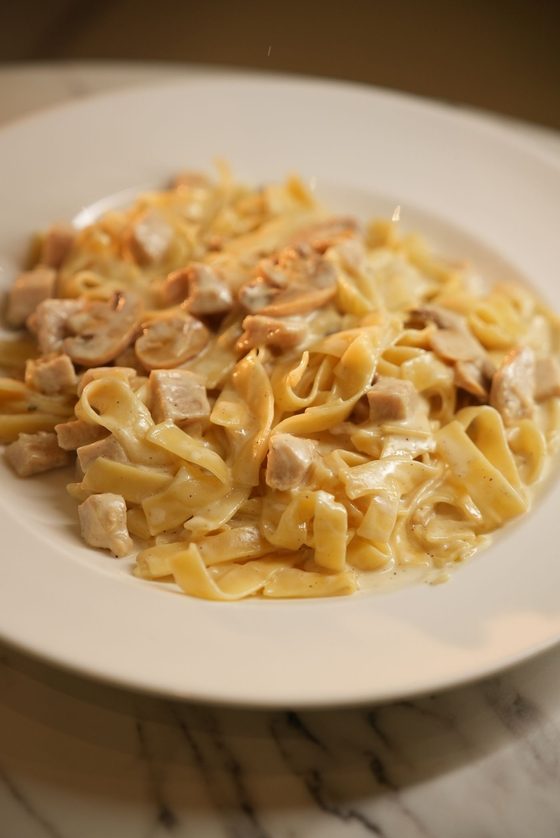
Scan a meal in six seconds. Belli scores it for the gut you actually have, not a chart that's the same for everyone.
InflammationFODMAPLactose
Cream and garlic show up in 3 of your last 4 bloated meals — worth watching how this one sits.
0+
Ingredients tracked
0+
Ingredient flags scored
0+
Pre-scored gut profiles
How it works
A meal, a menu, a nutrition label, a barcode — point your phone and Belli reads every ingredient it can see in about six seconds.

Each ingredient gets a green, yellow, or orange flag: green is fine, yellow is worth a look, orange is the one to watch. Add those up and the meal comes back with a 0–100 score.

Just scanned

Two things stand out here: garlic is high-FODMAP and the cream adds lactose. A smaller portion usually sits easier.
Snap a restaurant menu for safe picks, photograph a product label, or just ask. Belli is your personal food advisor — on call, in plain English.
Thinking…Loved by early users
It's so helpful when it comes to learning about what I'm eating and how it might affect me. I love being able to take a photo of a menu and get immediate suggestions about what to consider ordering. I have no doubt that I'm eating more healthfully since I started using this app.
It's the first food app I've used that's actually about understanding how what you eat affects your body — not just counting calories or hitting macro targets. You scan your meal and it breaks down the ingredients and shows which ones might be causing issues for you.
The payoff
Belli doesn't forget you overnight. Every meal you scan and every day you check in adds up, until your gut stops being a mystery and you can feel the difference.
Scan your plate, then tell Belli how you felt. That's the whole job: the “what you ate” and the “how it went” that no food diary ever connects.
How's your gut?
Calm
Calm gut. Belli remembers what got you here.
Belli compares each meal to your usual and hands you the culprit with the receipts: “bloating in 6 of 10 meals with onions, about 3× your overall rate.” Now you know.
Bloating in 6 of 10 meals with onion. Your rate with onion is about 3× your overall rate.
Try skipping onion for a few days, then reintroduce to confirm.
Based on your self-reported data. Not medical advice.
Each evening Belli sums up your day in plain English and scores your gut, energy, and symptom-free meals against your own rolling average — so you can see yourself getting better.

A steady day overall. Lunch settled well; dinner ran a little rougher with a few flagged ingredients.


And you keep going deeper

2,600 foods, each scored for your gut — look anything up before you order.

FODMAP, histamine, glycemic load, and twelve more. Read on every bite.

Mark a food safe and Belli never flags it again. You teach it back.
Scored against Monash University FODMAP research and the GI literature — not a generic chart.
The score sharpens on your own check-ins, not a $150 microbiome kit or a lab panel.
Your meals and symptoms stay yours. We never sell your data.
Two weeks of check-ins and the foods behind your rough days stop being a guess. Yours, not a chart that's the same for everyone. Free for 7 days, then $59.99/year. No test kit, no diary.
Questions
Free for 7 days, then $59.99/year. You get the full app during the trial — scanning, scoring, and your pattern check-ins — so you can see whether the read matches your own gut before you pay for the year.
A diary remembers what you ate. Belli looks for the pattern in it — which foods keep showing up before a bad day. You scan and check in, and over a couple of weeks it lines up your meals against your rough days to flag the foods that may have driven a flare, the part a plain log leaves you to figure out yourself.
Yuka and Fig score a food the same way for everyone. Belli scores it against you: your symptoms, your check-ins, your tolerances. Two people can scan the same yogurt and get a different read, because Belli flags the ingredient that lines up with your bad days, not the one a fixed chart calls bad for everyone.
The scan score is instant. The personalized part takes time — give it about two weeks of check-ins before Belli has enough days to link a food to how you felt. We won't call something a confirmed trigger early; a pattern that holds up over real days is worth more than a guess on day two.
No. It's a tracking and pattern-spotting tool, not a diagnosis and not medical advice. It can help you notice what may be linked to your symptoms and bring better notes to a doctor or dietitian — but it doesn't replace one.
People dealing with IBS, bloating, histamine sensitivity, GERD or reflux, and gout tend to get the most out of it, because those are the patterns the fifteen dimensions are built to catch. If your gut reacts to food and you can't pin down why, that's the use case.