Fiber is supposed to help. So why does it bloat you?
The food every doctor tells you to eat more of is also a top bloat driver. The gas usually isn't your gut rejecting fiber — it's fermentation, and a sign the bacteria are still catching up.
The newsletter
A free weekly email about what actually sets off gut symptoms. Each issue takes one trigger and explains the mechanism, the dose that matters, and what to do about it.
The writing comes from gut science and from what real patients report, drawing on Monash University FODMAP research and the GI literature. No detox teas. No “15 foods that secretly destroy your gut.” No wellness fluff. Every claim is sourced and checkable.
Free, weekly, unsubscribe anytime.
The weekly briefs alongside the in-depth guides. Looking up one food? Browse the full food index →

The food every doctor tells you to eat more of is also a top bloat driver. The gas usually isn't your gut rejecting fiber — it's fermentation, and a sign the bacteria are still catching up.

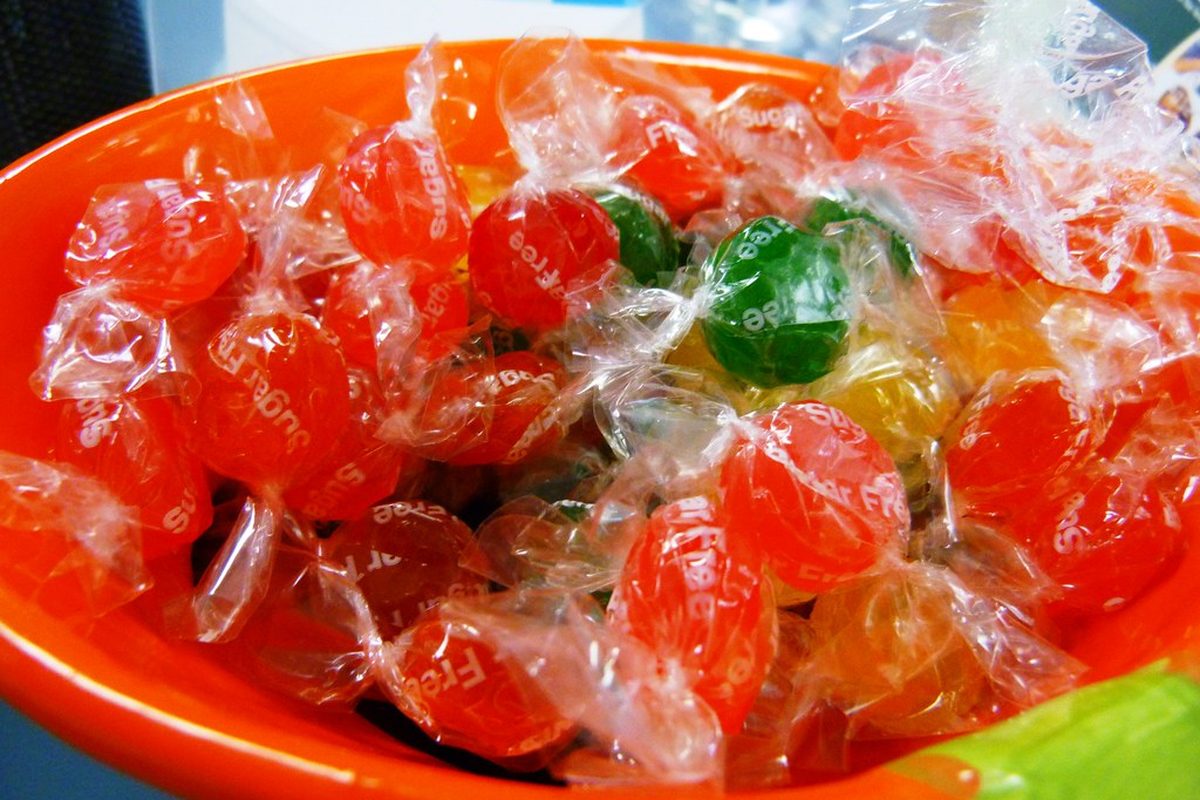
A "sugar-free" mint can do to your gut what a candy bar won't. Sorbitol, mannitol and the other -itols slip past your small intestine and pull water into your colon — here's the dose where it tips.

Decaf does it too, which clears the obvious suspect. Coffee runs three separate jobs on your gut at once, and the one that sends you to the bathroom isn't the caffeine.

A clean scope and normal bloodwork rule out structural disease, not a real, pattern-based disorder. IBS and its kin are disorders of gut-brain interaction, and standard tests aren't built to see them. What 'normal' actually rules in, the red flags that mean go back, and how to bring a pattern to your next appointment.

Onions, wheat, apples, milk. The FODMAP avoid list reads like foods you can never eat again. It's actually a short diagnostic: cut the whole list briefly, then add families back to find which fermentable carbs your gut can't handle, and in what amount.

The famous 'cut coffee, chocolate, and citrus' list is mostly a population guess. Reflux is mechanical: a valve at the top of your stomach, how full and fatty the meal is, and whether you lie down after. That's why when and how you eat usually does more for the burn than which food you swore off.

Gout isn't about 'rich food' in the abstract. It's purines turning into uric acid, and only some high-purine sources actually move your flare risk. Why beer and soda matter through a different door than a pork chop, and why purine-rich vegetables barely count.

The wine that was fine last month floors you tonight. Histamine intolerance isn't an allergy to particular foods. It's a bucket that overflows when the histamine you eat outpaces the DAO enzyme clearing it. Why your threshold is personal and moves by the day, the foods that run high, and how to find your own line.

The queasiness and reflux after starting a GLP-1 isn't random. The drug slows your stomach on purpose, so food sits longer. Three meal habits move the side effects more than any single 'bad food': how big the meal is, how fatty, and how late.

A food-and-symptom diary is the right instrument failing on the wrong problem. The job was never willpower. It's that you have to log faithfully, read ingredients you can't see, and catch reactions that show up hours late. Where a plain diary works, where it breaks, and what fixes it.

Barcode scanners score a product against a population. IgG panels aren't validated for food sensitivity. The only method that finds your triggers is watching your own gut against its own baseline, which is exactly the kind of pattern you can't hold in your head.

When researchers fed gluten-free eaters secret gluten, nothing happened. When they fed them fructans, they bloated. Why most 'gluten sensitivity' is your gut fermenting a carb — and how a slice of sourdough can tell you which one is yours.

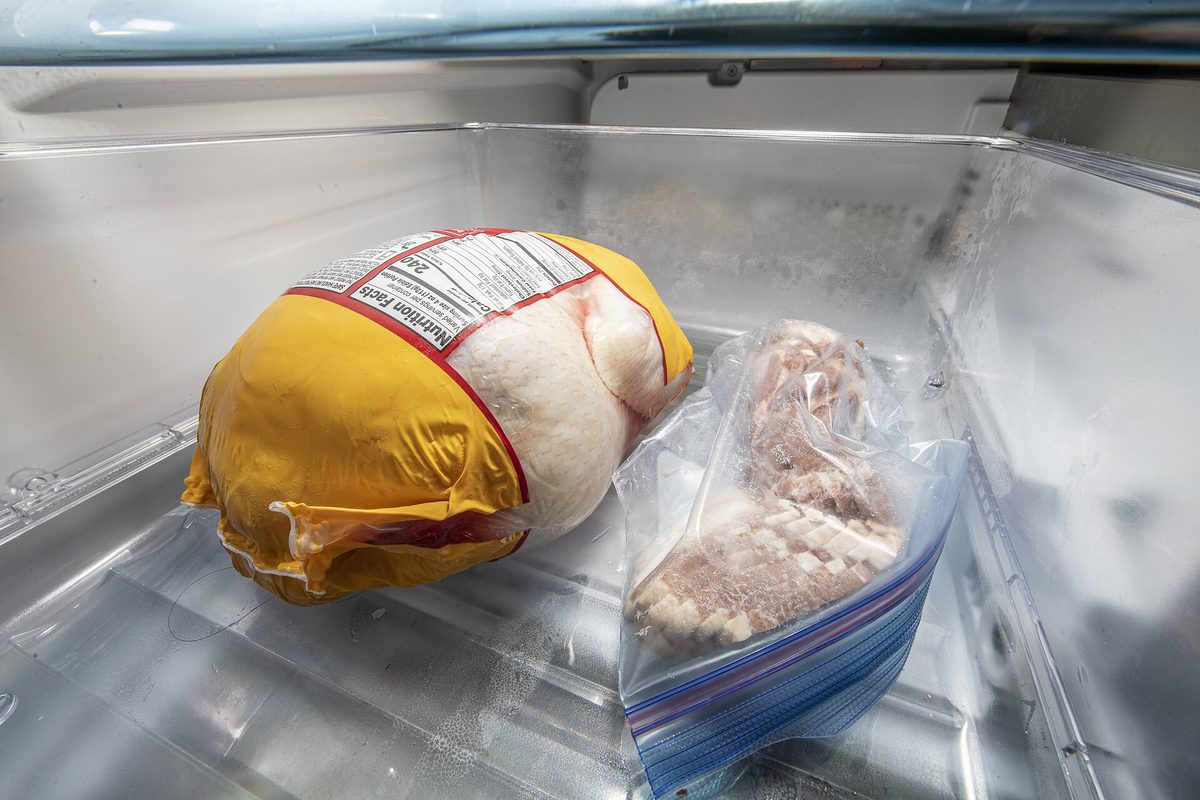
Histamine builds up in protein-rich food the longer it sits, and reheating does not destroy it. Freezing leftovers the day you cook locks the histamine at its lowest level.

Histamine builds up in protein-rich food as it ages, ferments, and sits in the fridge — so freshness isn't a wellness slogan, it's dose control. The DAO enzyme, the histamine-bucket model, the freezer move, and how to tell a sensitivity from a true allergy.

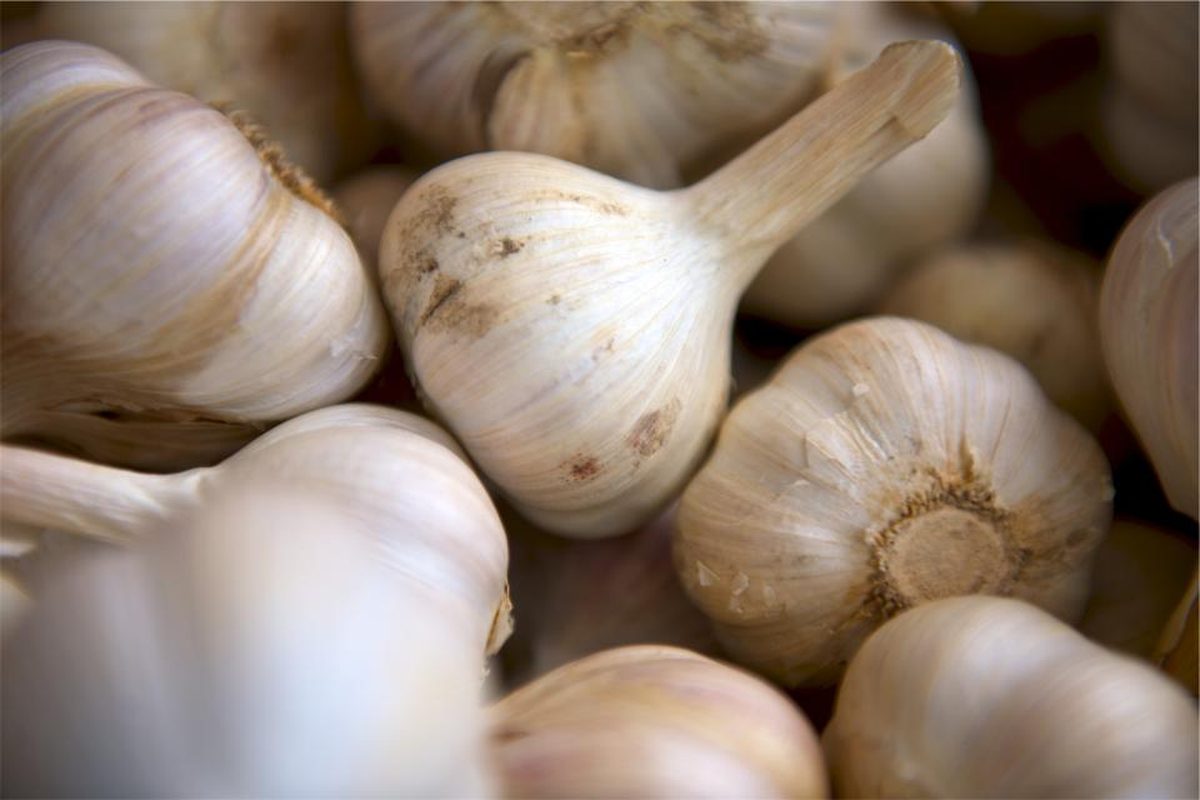
Garlic is loaded with fructans, a fiber the human gut cannot break down, and the symptoms usually arrive 4 to 24 hours after the meal. That delay is the reason most people blame the wrong food.

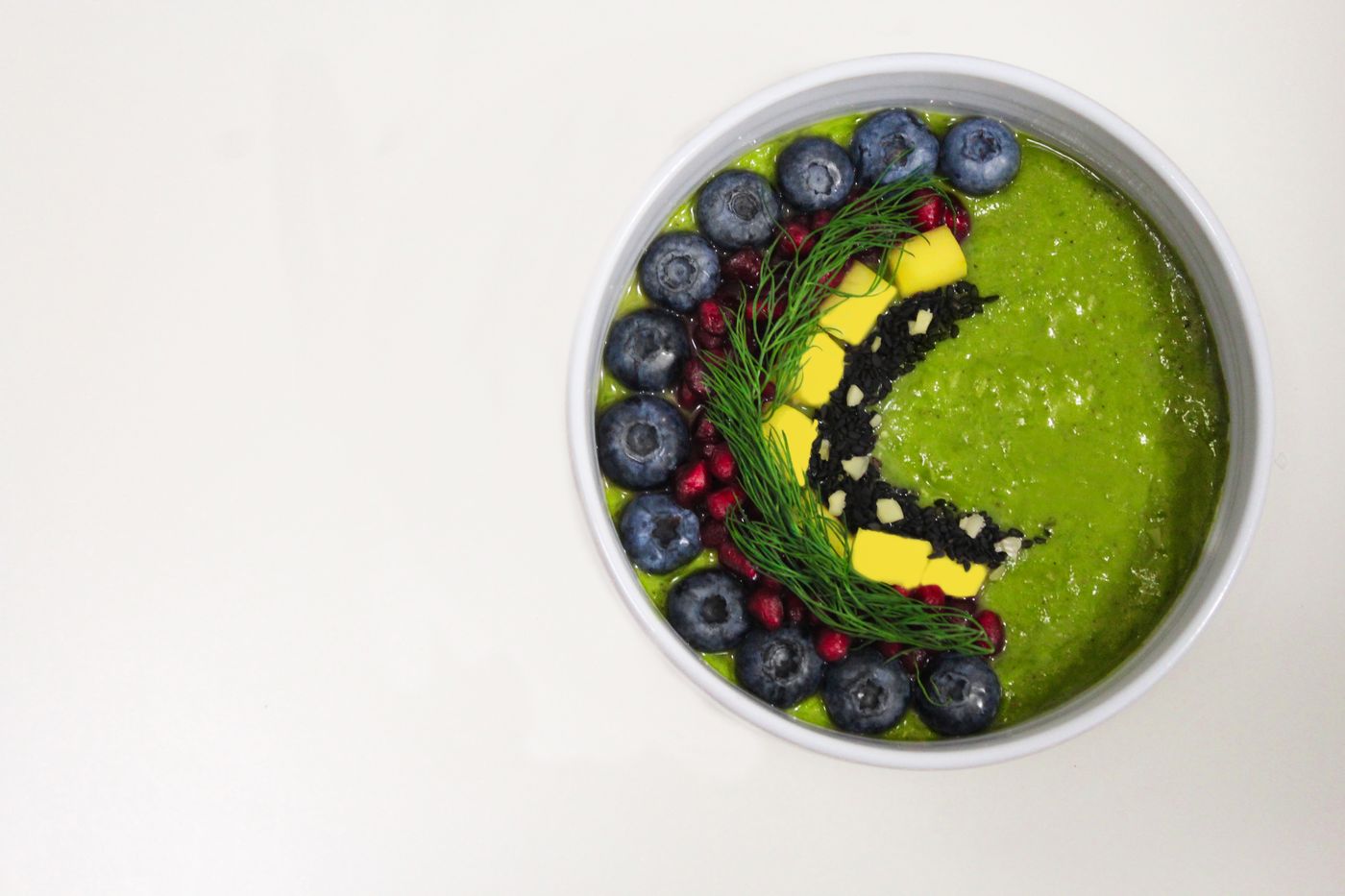
Each food on your plate can be low-FODMAP on its own and still add up to a reaction. Your gut doesn't grade foods one at a time; it adds them up. How fermentable carbs stack within a meal, with the smoothie that proves it.

Fermentable carbs aren't digested until they reach your colon, hours after you eat them — so lunch's garlic gets blamed on dinner. The clock between bite and symptom is the clue most people throw away.

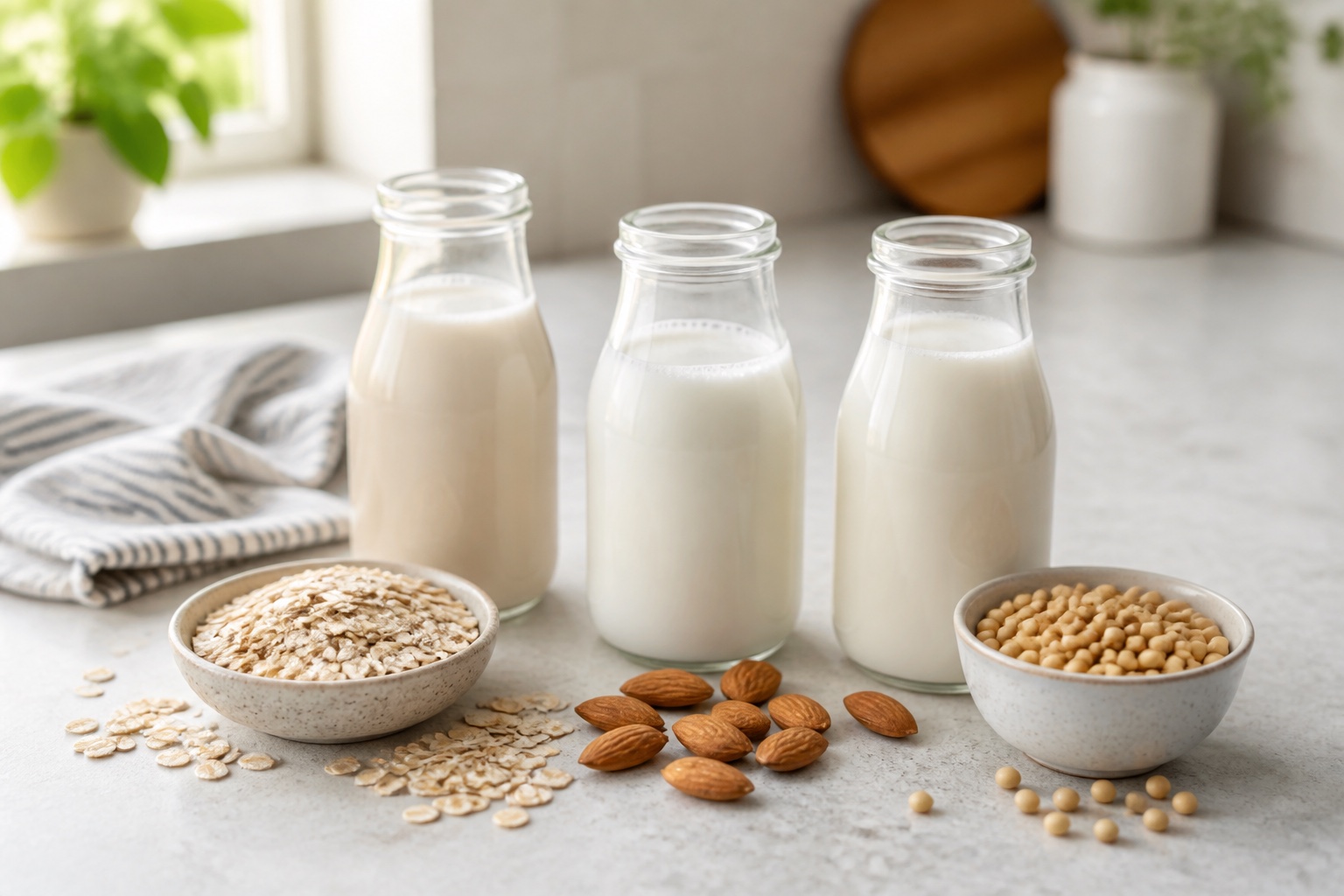
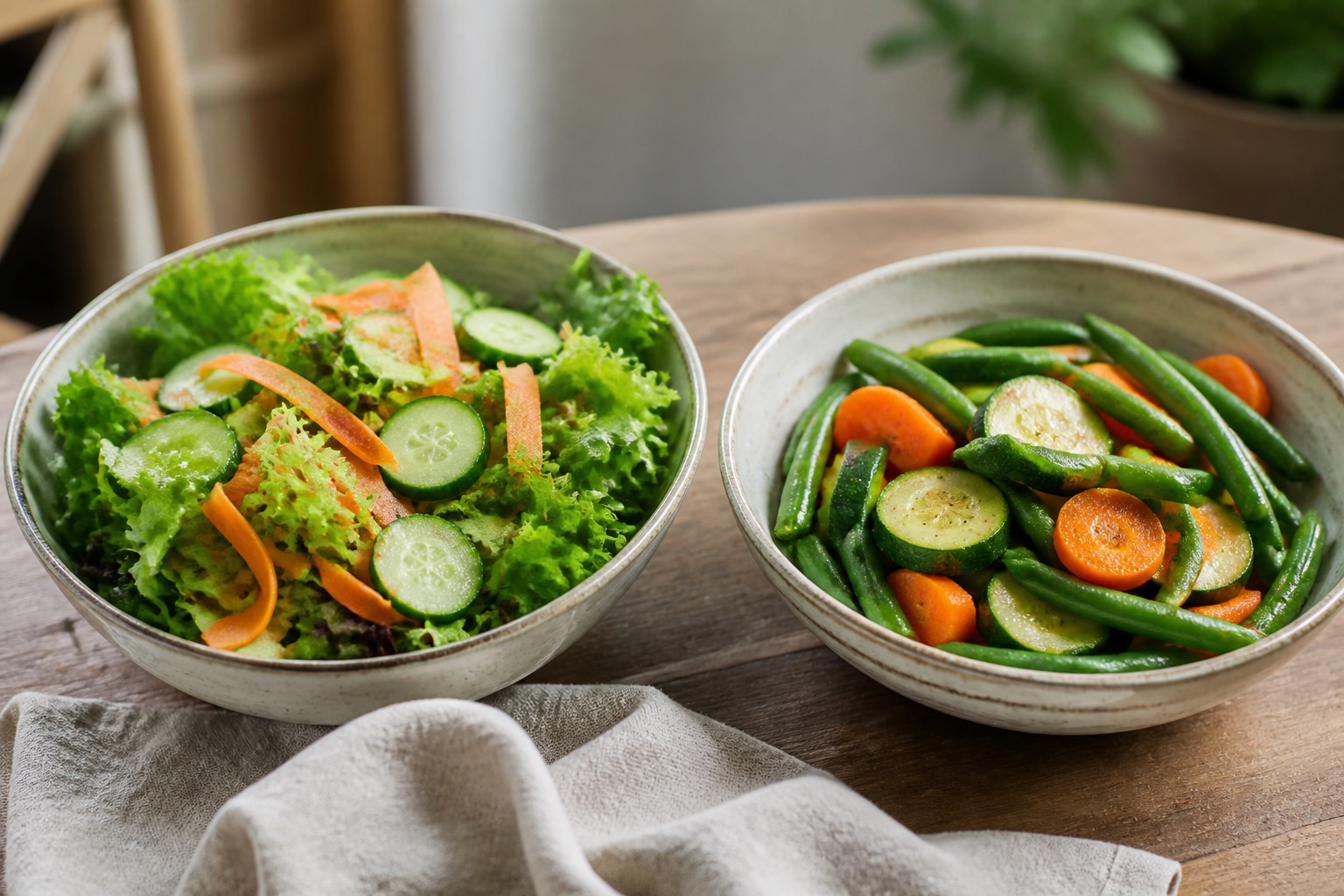
Smoothies, salads, beans, cauliflower, oat milk: the foods on every wellness list also top the gut's most-fermentable list. The reason isn't that they're bad for you. It's that healthy says nothing about how your gut handles them, and the dose adds up.