Learn
Tomato sauce gives you heartburn. Is pesto actually better?
Pesto removes tomato acid but can add more fat, garlic, and cheese. Olive oil removes tomato too but is still fat. The better pasta test keeps portion, timing, and the rest of the bowl in view.
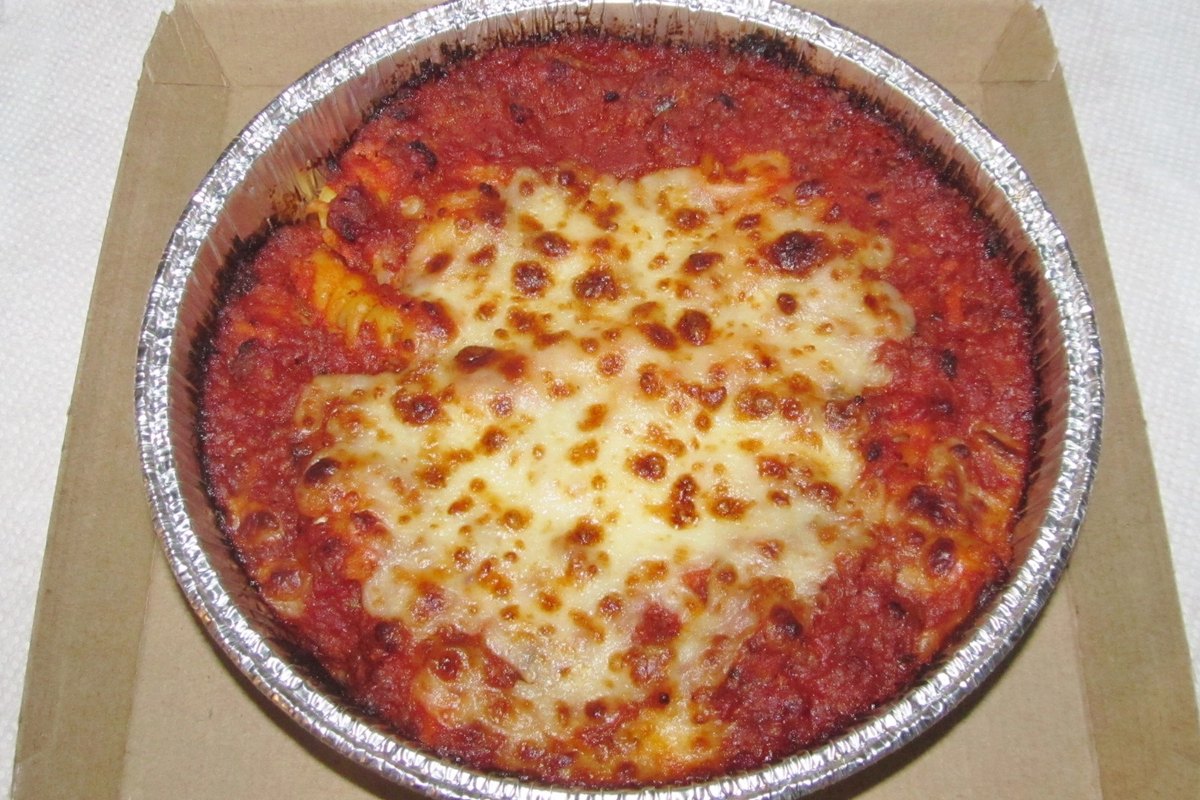
The green sauce can be the heavier experiment
Marinara gives you a familiar burn, so you order pesto next time. The tomatoes are gone. The plate now carries several spoonfuls of oil, Parmesan, nuts, and garlic, and it arrives as a large late dinner. The heartburn comes back. It is tempting to conclude that every pasta sauce is a trigger.
The swap changed two opposing variables. It removed an acidic food that some people report as a trigger and raised the fat and calorie density of the meal. Reflux does not grade sauce colors. It responds to what the whole meal does at the valve between your stomach and esophagus, plus how sensitive the esophagus is when material comes back up.
Acid can sting; fullness can push
Tomato sauce is acidic. If the lining of your esophagus is already irritated or sensitive, an acidic reflux episode can feel sharper. That does not mean tomato creates reflux in everyone, and laboratory studies have not found a simple food-by-food rule that explains all GERD symptoms.
Meal mechanics provide another route. A large or calorie-dense meal stretches the stomach and gives reflux more opportunity to travel upward. Fat can slow stomach emptying and may affect reflux symptoms in some people, although controlled studies are mixed. One trial found calorie density predicted esophageal acid exposure while higher fat increased symptom frequency. Another found no increase in reflux episodes when fat rose without a higher energy load.
That disagreement is useful. It tells you why “pesto is better than tomato” is too simple. The amount of sauce, total plate, and time before lying down can be as important as the ingredient you swapped.
Three sauces test three different things
Marinara keeps fat relatively low but brings tomato acidity and often garlic or onion. Traditional pesto removes tomato but concentrates oil and may include garlic, nuts, and aged cheese. Plain olive oil removes tomato and simplifies the ingredient list, but a heavy pour can deliver as much fat as pesto without the herbs.
A vegetable or herb sauce made with a modest amount of oil can be a cleaner comparison. It does not deserve a universal “reflux-safe” label; it simply reduces the number of variables. The better test is the sauce you can portion and describe accurately.
| Sauce | What it removes | What it may add | Useful test |
|---|---|---|---|
| Tomato marinara | Nothing from the original tomato base | Acid, plus recipe-specific garlic or onion | Does a modest tomato portion repeatedly track with burning? |
| Traditional pesto | Tomato acid | A concentrated oil dose, garlic, nuts, cheese | Does removing tomato help when the portion stays modest? |
| Olive oil and herbs | Tomato, cheese, and nuts | Fat depends entirely on the pour | Does a simpler, measured sauce change the result? |
| Vegetable-herb sauce | Tomato if made without it | Ingredients vary by recipe | Can you keep fat and portion similar while changing acidity? |
Run the pasta comparison at lunch, not midnight
Keep the pasta amount, protein, alcohol, and meal time as similar as you can. Measure the sauce instead of eyeballing a small red coating against a large green one. Test earlier in the day and remain upright afterward, because eating within a few hours of lying down is a better-supported reflux lever than many universal forbidden-food lists.
If marinara repeatedly burns and a modest herb sauce does not, you have a practical personal lead. If both cause symptoms only after a large late plate, the sauce may have been carrying blame for portion and timing. Bellyweather can compare those meals with your check-ins, but the pattern cannot diagnose GERD or prove a sauce caused the episode.
- Keep the pasta and toppings constant; change only the sauce first.
- Use a measured, modest amount so pesto or oil does not become a larger meal by accident.
- Run the comparison earlier and stay upright for at least a few hours afterward.
- Record garlic, onion, cheese, alcohol, and portion because “pesto” and “marinara” are not single ingredients.
Persistent heartburn needs more than menu experiments
Frequent symptoms, trouble or pain with swallowing, bleeding, vomiting, unexplained weight loss, anemia, or chest pain need medical evaluation. Chest pain can have causes more urgent than reflux. Dietary swaps may help identify personal triggers, but they do not replace diagnosis or treatment.
Current reflux guidance supports identifying and avoiding foods that reliably trigger an individual's symptoms rather than applying the same restriction list to everyone. It also gives stronger weight to avoiding overeating and lying down soon after meals.
The sauce was one part of the plate
Pesto may be better when tomato acidity is the variable that matters to you. It may be worse when a rich late meal is the problem. The useful swap is not red for green. It is one controlled change inside a bowl whose size, timing, and ingredients you can still see.
Frequently asked questions
Is pesto better than tomato sauce for acid reflux?
It can be for someone whose symptoms reliably track with acidic tomato, but pesto is often higher in fat and may include garlic and aged cheese. Use a modest portion and compare otherwise similar meals. No sauce is universally better for reflux.
Is olive oil safe for GERD?
Olive oil is not a universal reflux treatment or trigger. A small amount may simplify a pasta dish by removing tomato and other ingredients, while a heavy pour makes the meal fattier and more calorie-dense. Your portion and repeated response matter.
Does tomato acid cause GERD?
Tomato does not cause GERD in everyone. Acidic foods can intensify symptoms for some people, especially when the esophagus is sensitive, but reflux also depends on the stomach-esophagus barrier, meal size, timing, body position, and other factors.
When should heartburn be checked by a doctor?
Seek medical advice for frequent or persistent symptoms. Trouble swallowing, painful swallowing, bleeding, black stool, repeated vomiting, unexplained weight loss, anemia, or chest pain need prompt evaluation. New or severe chest pain may require emergency care.
Sources
- Katz et al. — ACG Clinical Guideline for GERD, Am J Gastroenterol (2022)
- Tack et al. — Evidence-based consensus for reflux-like symptoms, UEG Journal (2023)
- Fox et al. — Dietary fat, calorie density, acid exposure and symptoms, Clin Gastroenterol Hepatol (2007)
- Pehl et al. — Fat content and gastro-esophageal reflux, Gut (1999)
Bellyweather is a wellness and food-tracking app, not a medical device. This article is for general information only and is not medical advice. Never use an article, rating, or AI response to decide whether a food is allergy-safe. Individual tolerances vary — talk to a qualified healthcare professional before making dietary changes related to a health condition.