Learn
Does sparkling water cause bloating or reflux?
Carbonation adds gas and can increase belching or temporary fullness. That is not the same as proving plain sparkling water causes GERD or intestinal fermentation.
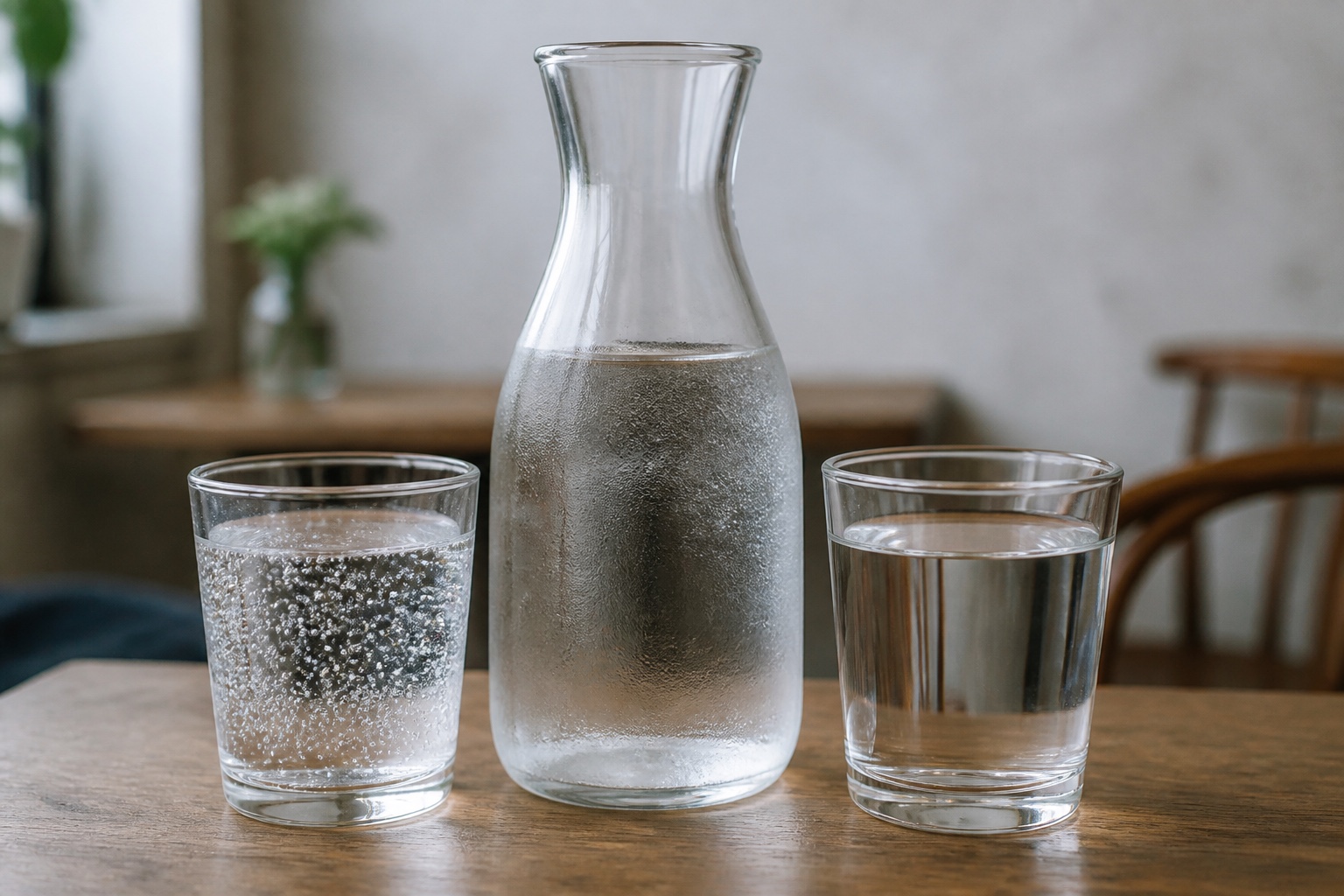
The can can make pressure before it makes a pattern
You open sparkling water with lunch, feel pressure behind your ribs, burp twice, and call it bloating. Another day the same drink seems harmless. Carbonation is capable of creating that immediate sensation because the drink carries dissolved carbon dioxide that comes out of solution as gas.
The timing matters. Pressure and belching during or just after the drink point toward gas in the upper digestive tract. Distention and flatulence hours later involve a different route, often including fermentation of poorly digested carbohydrate. Plain sparkling water contains no fermentable carbohydrate, although a flavored product may contain ingredients that do.
Carbonation adds stomach gas, not a new gut microbe meal
NIDDK lists fizzy drinks among behaviors that can increase swallowed air and gas symptoms. Much of the carbon dioxide can leave through belching. The amount that stays, how quickly you drink, serving size, straw use, and your sensitivity to stomach stretch all affect how noticeable it feels.
Bloating is a sensation of fullness or swelling; visible distention is an increase in abdominal size. They do not always occur together. A cold, fast 16-ounce sparkling water can create a strong sensation without meaning that your intestines produced an abnormal amount of gas.
The reflux evidence is less certain than the burp
Small physiology studies have found temporary changes after carbonated beverages, including lower esophageal sphincter pressure in one nine-person experiment. That gives carbonation a plausible route to aggravate reflux in some people. It does not show that everyone who drinks sparkling water develops GERD.
A systematic review found no direct evidence that carbonated beverages consistently cause or worsen GERD, esophageal damage, or GERD complications. The 2022 American College of Gastroenterology guideline likewise describes diet evidence as limited and variable and suggests avoiding foods or drinks that trigger an individual's symptoms rather than applying a universal prohibition.
Both statements can be true: carbonation can change short-term physiology, and the clinical symptom evidence can remain inconsistent. Your repeated response is useful, but one burp is not a diagnosis.
Sparkling water, tonic, and soda are different tests
Plain sparkling water changes carbonation. Soda may also add sugar or high-fructose corn syrup, caffeine, acids, and a large serving. Diet soda may add caffeine and sweeteners. Tonic water commonly contains sweetener and quinine. Citrus-flavored waters may add acids or flavor systems. Comparing soda with still water cannot isolate the bubbles.
| Drink | Carbonation | Other common variables | What the result can tell you |
|---|---|---|---|
| Plain sparkling water | Yes | Minerals vary | Best direct test of carbonation |
| Flavored sparkling water | Yes | Acids, juice, flavors, or sweeteners may vary | A test of that finished product |
| Regular soda | Yes | Sugar, acids, caffeine, and serving size may change | Cannot isolate carbonation |
| Diet soda | Yes | Sweeteners, acids, and caffeine may change | Cannot isolate carbonation |
| Still water | No | Mineral content still varies | The cleanest carbonation control |
Use the same meal and change only the bubbles
Compare equal volumes of plain sparkling and still water with the same familiar meal on separate days. Drink at a similar pace without a straw. Record whether the symptom is immediate belching, upper pressure, heartburn, or later intestinal bloating; those are not interchangeable outcomes.
If sparkling water repeatedly causes pressure, try a smaller serving, let some fizz dissipate, sip more slowly, or use still water with meals. If only soda causes symptoms, test its caffeine, sweetener, acidity, and portion rather than assigning everything to carbonation. Bellyweather can keep the specific drink and symptom timing together, but it cannot establish GERD from a beverage pattern.
- Use plain sparkling water for the first comparison.
- Match the serving size, meal, pace, and straw use.
- Separate immediate belching from heartburn and later lower-belly gas.
- Treat a repeatable pattern as a personal trigger, not a universal rule.
Pressure is common; alarm symptoms are different
Occasional belching after carbonation is not the same as disease. Frequent heartburn, trouble or pain with swallowing, repeated vomiting, blood or black stool, anemia, unexplained weight loss, or persistent symptoms should be evaluated. Chest pain can have causes more urgent than reflux; new, severe, or concerning chest pain needs prompt medical care.
The practical answer is not that sparkling water is safe or unsafe for everyone. It is that carbonation is easy to test cleanly. Keep the water plain, hold the meal steady, and see whether the bubbles repeatedly change the symptom you actually mean.
Frequently asked questions
Can sparkling water make you bloated?
It can cause temporary fullness, pressure, or belching because carbon dioxide expands in the stomach. That immediate upper-gut sensation is different from hours-later gas produced by bacterial fermentation. Serving size, drinking speed, and individual sensitivity matter.
Does sparkling water cause acid reflux?
Some people report it as a trigger, and small studies show temporary physiologic changes, but systematic evidence has not established that carbonated beverages consistently cause or worsen GERD. If heartburn repeats, compare plain sparkling and still water under similar conditions.
Is plain sparkling water better than soda for reflux?
It is a cleaner test. Soda may add acids, caffeine, sugar or other sweeteners, and a larger serving. Plain sparkling water still may bother some people, but it removes several variables that can make soda difficult to interpret.
Should I stop sparkling water if I burp after drinking it?
Not necessarily. Belching is a normal way to release swallowed or ingested gas. Reduce the serving or drink more slowly if it is uncomfortable. Persistent pain, frequent reflux, trouble swallowing, vomiting, bleeding, or unexplained weight loss deserves medical evaluation.
Sources
Bellyweather is a wellness and food-tracking app, not a medical device. This article is for general information only and is not medical advice. Never use an article, rating, or AI response to decide whether a food is allergy-safe. Individual tolerances vary — talk to a qualified healthcare professional before making dietary changes related to a health condition.