Learn
Acid reflux trigger foods: why how you eat beats what you eat
The famous 'cut coffee, chocolate, and citrus' list is mostly a population guess. Reflux is mechanical: a valve at the top of your stomach, how full and fatty the meal is, and whether you lie down after. That's why when and how you eat usually does more for the burn than which food you swore off.
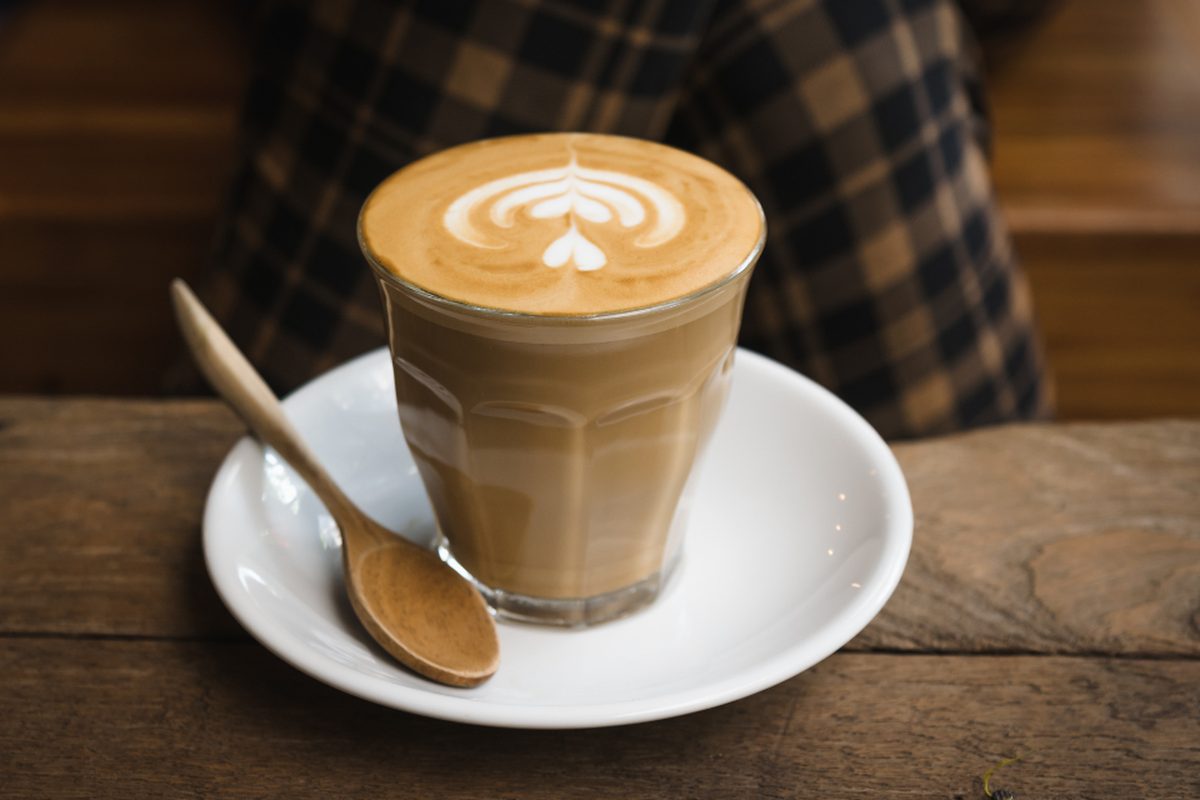
You cut the coffee and chocolate, and you still burned at midnight
You read the list. Coffee, chocolate, citrus, tomatoes, the spicy stuff: the usual suspects every reflux article names. You cut them. And you still woke at 1am with that hot, sour creep up the back of your throat. The list was supposed to be the map. You followed it, and the fire came anyway.
Here's what the list never tells you. It isn't really about those foods. Reflux is a plumbing problem, not a recipe. A valve at the top of your stomach is supposed to stay shut, and acid only comes up when it slips open. What pries it open most reliably isn't the citrus. It's how much you ate, how much fat was in it, and how soon after you lay down.
Why this matters more than the next food you give up
Acid reflux is one of the most common things a gut does wrong: in population surveys, roughly 1 in 5 adults in Western countries reports it weekly. And the standard advice, memorize a list of forbidden foods, sends most people chasing the wrong variable. You can give up coffee for a month, feel no better, and conclude your reflux is just untreatable, when the real lever was the second helping at 9pm.
And it costs you more than a bad hour. Your esophagus has no acid-proof lining the way your stomach does, so when contents wash up, you feel it. The worst of it lands at night, when reflux fragments sleep you don't remember losing and you wake foggy and blame the week. A gut that's quiet after dinner is a gut working with you. The point of this piece is to move your attention from which food to how and when. Once you see what actually opens the valve, the food list stops being a mystery and becomes a short, personal experiment you run on yourself.
The valve, the balloon, and the reason gravity is on the menu
At the junction of your esophagus and stomach sits a ring of muscle, the lower esophageal sphincter. Call it the valve. Most of the time it's clamped shut, a one-way door that lets food down and keeps acid below. Reflux happens in the moments that door swings open when it shouldn't. The biggest single cause isn't a weak valve constantly leaking; it's brief, involuntary openings called transient relaxations. In one review of the mechanics, these account for about 65% of reflux episodes.
So what triggers those openings? Mostly stretch. Picture your stomach as a balloon with a drawstring at the top. The valve relaxes on purpose when the balloon fills: it's a vent, a way to let a gulp of swallowed air escape. The fuller the balloon, the more often it vents, and every vent is a window for acid to ride up. A large meal stretches the balloon harder and longer, which is exactly why meal size, not meal contents, is one of the better-documented triggers. The valve was doing its normal job. You just gave it more to vent.
Fat works a second angle. A fatty meal is slow to leave the stomach, so the balloon stays full longer, and fat also nudges the valve toward relaxing. Then comes gravity, the part the food lists ignore entirely. Stand up and an open valve still has gravity pulling acid back down where it belongs. Lie down within an hour or two of a big meal and you've taken gravity out of the equation: the stomach is full, the valve is venting, and now there's nothing keeping acid from running level into your esophagus. That midnight burn isn't the citrus. It's physics with the lights off.
What the evidence actually says about your forbidden list
When researchers test the classic trigger foods against objective measurements, the actual acid in the esophagus rather than self-report, the famous list mostly falls apart. A 2023 review of diet in reflux management by Fox and Gyawali put it bluntly: citrus, coffee, chocolate, fried food, and spicy food are frequently blamed, but hard evidence linking these items to objective reflux is lacking. Tellingly, people with reflux often eat these so-called triggers as much as people without it. The list is a population average stretched over individuals it may not fit.
What does hold up is the mechanical stuff. The same review found better evidence that large meal volume and high-calorie meals raise the reflux burden, and that weight loss, not lying down soon after eating, and raising the head of the bed all reduce it. The 2022 American College of Gastroenterology guideline lines up. It gives a strong recommendation for weight loss in people who are overweight, while its advice to avoid trigger foods is only a conditional one, with the guideline itself noting few studies document the benefit. In a crossover trial it cites, the same meal eaten two hours before bed caused markedly more nighttime reflux than eaten six hours before. None of this means coffee never bothers anyone. It means the average doesn't decide your case, and the mechanical levers are the ones with the receipts.
How to actually quiet the burn this week
Start with the levers the evidence backs, in order of how much they tend to move things. The food list comes last, and smaller than you think, because for most people the win is in the how and when.
The reason food is the final step, not the first, is that real reflux triggers are stubbornly personal. The chili that wrecks your friend may do nothing to you; your problem might be the late dinner you never suspected. The only honest way to find your few real food triggers is to watch your own meals against your own symptoms, especially the nighttime ones, where the meal that lit the fire happened three hours earlier and your memory has already lost the thread. That gap between the meal and the burn is what Bellyweather is built to close: it ties what you ate and when to what you felt that night, so a hunch becomes a pattern you can point at, a lead to test rather than a verdict.
- Shrink the meal before you cut any food: eat until satisfied, not full, since volume stretches the valve more reliably than any single ingredient.
- Put a 3-hour gap between your last bite and lying down. The late meal, not the spicy one, is the better-documented nighttime trigger.
- If reflux hits mostly at night, raise the head of your bed (a wedge or risers, not extra pillows) so gravity keeps working while you sleep.
- If you carry extra weight around the middle, losing some is the single best-evidenced move; it lowers the pressure pushing acid up.
- Only then test foods — one at a time, keeping portion and timing fixed — to find the handful that are genuinely yours.
| Lever | What it does | Evidence strength |
|---|---|---|
| Lose weight (if carrying extra around the middle) | Lowers the abdominal pressure pushing acid up past the valve | Strong (ACG strong recommendation) |
| Leave ~3 hours before lying down | Keeps gravity pulling acid down while the stomach empties | Good (crossover trial: same meal at 2h vs 6h) |
| Shrink the meal | Less stretch on the stomach, so the valve vents less often | Good (large-volume meals raise reflux burden) |
| Raise the head of the bed | Restores the gravity advantage overnight | Good (lifestyle-intervention evidence) |
| Cut a 'trigger food' (coffee, chocolate, citrus, spicy) | Removes one suspected item — but rarely the real lever | Weak (ACG conditional; little supporting data) |
The map was never the food
Go back to that 1am burn after the day you swore off coffee and chocolate. Nothing on the list betrayed you, because the list was never the map. The valve was venting a stomach you'd filled too full, too late, and then you took away gravity by lying down. Reflux isn't a recipe you got wrong. It's a door, a fullness, and a clock. Now you know which one to change first.
Frequently asked questions
Are there any acid reflux trigger foods that are actually proven?
Not in the way the lists imply. When tested against objective acid measurements, classic triggers like coffee, chocolate, citrus, and spicy food show weak, inconsistent evidence. Fatty and very large meals have better support, mostly because they keep the stomach full and relax the valve at the top of it. Triggers are individual, so the only reliable list is the one you find by tracking your own meals and symptoms.
How long should I wait after eating before lying down?
About 3 hours. The 2022 ACG guideline suggests avoiding meals within 2 to 3 hours of bedtime, and in a crossover trial the same meal eaten 2 hours before bed caused more nighttime reflux than eaten 6 hours before. Standing keeps gravity pulling acid down; lying down on a full stomach removes it.
Does losing weight really help acid reflux?
It has the strongest evidence of any lifestyle change. The 2022 ACG guideline gives weight loss a strong recommendation for people who are overweight or obese. Extra weight around the abdomen raises pressure on the stomach and pushes acid up past the valve. Results vary, and ongoing or severe reflux is worth discussing with a clinician.
Why do I get reflux at night but not during the day?
Gravity. Upright, an open valve still has gravity pulling stomach contents down. Lying down on a full stomach removes that help, so acid runs level into the esophagus. Raising the head of the bed and leaving a few hours between dinner and sleep both restore the gravity advantage.
Sources
- Katz et al., ACG Clinical Guideline for the Diagnosis and Management of GERD, Am J Gastroenterol (2022): weight loss (strong); avoid late meals and raise the head of the bed (conditional); trigger-food avoidance only conditional, with little supporting evidence
- Fox M, Gyawali CP, Dietary factors involved in GERD management, Best Pract Res Clin Gastroenterol (2023): objective evidence for classic trigger foods is lacking; large meal volume, weight loss, and meal timing have better support
- Sharma N, Anderson SHC, The relevance of transient lower oesophageal sphincter relaxations in the pathophysiology and treatment of GORD, Frontline Gastroenterol (2013): TLESRs account for ~65% of reflux episodes, triggered by gastric distension; fat and chocolate raise their rate
- Ness-Jensen et al., Lifestyle Intervention in Gastroesophageal Reflux Disease, Clin Gastroenterol Hepatol (2016): weight loss, raising the head of the bed, and the late-evening-meal crossover trial on supine reflux
Bellyweather is a wellness and food-tracking app, not a medical device. This article is for general information only and is not medical advice. Never use an article, rating, or AI response to decide whether a food is allergy-safe. Individual tolerances vary — talk to a qualified healthcare professional before making dietary changes related to a health condition.