Learn
Gout trigger foods: it was never just the steak and the wine
Gout isn't about 'rich food' in the abstract. It's purines turning into uric acid, and only some high-purine sources actually move your flare risk. Why beer and soda matter through a different door than a pork chop, and why purine-rich vegetables barely count.
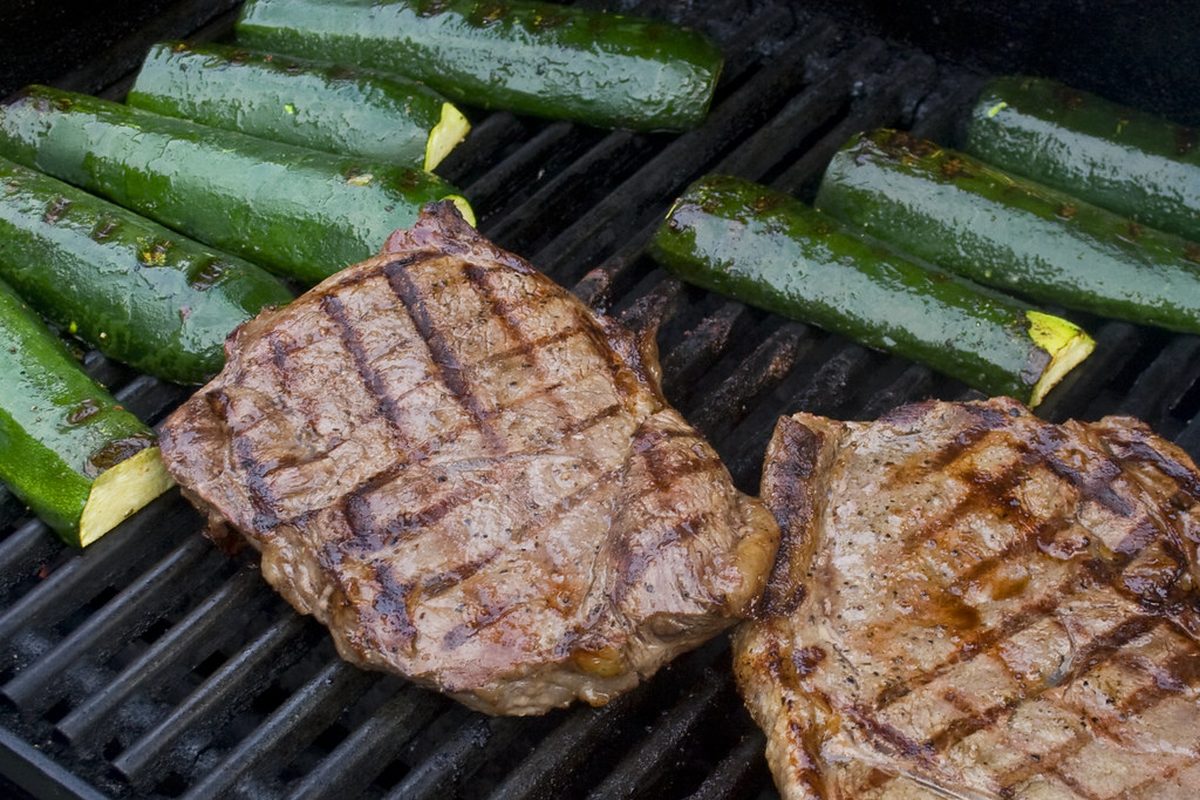
The plate of asparagus that should have wrecked you, and didn't
The folk wisdom on gout is almost a punchline: too much steak, too much port, the affliction of kings. So you'd assume a heap of asparagus, spinach, and lentils, all genuinely loaded with purines (the compounds that become uric acid), would set off the same alarm. They don't. In the big cohorts, purine-rich vegetables sit placidly next to gout risk, doing nothing. Meanwhile a single can of regular soda, with barely a purine in it, nudges your risk up.
So the old story is half right and half nonsense. Your body isn't tallying purines off a chart and billing you for the total. It's running a chemistry problem, and only some inputs land on the side that hurts.
Why this is the difference between dread and a short list
If you have gout, you already know the flare: a joint, often the big toe, that goes hot and red and so tender that a bedsheet feels like a blade. It's one of the most painful things a person can do to themselves with food, and the fear of it can quietly shrink your diet down to plain rice and apologies. That fear runs on a bad map.
Here's the controlling idea, the thing worth repeating. Gout isn't caused by 'rich food' in general. It's caused by uric acid, and only a handful of foods actually push your uric acid up enough to matter. Get which ones do and which ones don't, and a terrifying condition turns into a short, specific list. By the end you'll know the few moves with the most payoff, and why your own list may be shorter still.
Two different doors into the same crystal
Think of uric acid like a sink with a slow drain. Your body makes it constantly as it recycles old cells and processes food; your kidneys drain most of it away. Gout happens when the level in the sink stays high enough, for long enough, that uric acid stops dissolving and starts forming tiny needle-shaped crystals in a cool joint. Your immune system spots the needles as invaders and attacks. That attack is the flare. The food question is really one question: what raises the water in the sink?
The first door is purines. When your body breaks down purines, the final waste product is uric acid, so a big load of the wrong purines raises the level directly. But not all purine sources behave the same. The purines in meat and seafood are the kind that convert efficiently to urate. The purines packed into vegetables seem to be handled differently, and they arrive wrapped in fiber and water and the rest of the plant, which changes how much your body actually takes up. Whatever the full reason, the human data is clear that they don't move risk the way an equivalent slab of liver does.
The second door is sugar, specifically fructose, and it doesn't carry a single purine. It raises uric acid by burning through your cells' fuel. When your liver processes a big slug of fructose, it grabs phosphate so fast that the cell's energy currency, ATP, crashes. The wreckage of that crash, a molecule called AMP, gets broken down along the same path that ends in uric acid. So a sweetened drink raises the water in the sink without a purine in sight. Beer manages to open both doors at once: it carries a readily absorbed purine and the alcohol slows your kidneys from draining urate, which is why beer outranks wine and even liquor for gout risk.
What the cohorts actually found
The cleanest look comes from Hyon Choi and colleagues, who tracked 47,150 men with no history of gout for twelve years and recorded 730 new cases (NEJM, 2004). Men eating the most meat had about a 41% higher risk than those eating the least; the most seafood, about 51% higher. Purine-rich vegetables and total vegetable protein showed no association with gout at all. Dairy went the other way, with the highest intake linked to lower risk. These are observational findings. They show association, not proof that any single food causes your next flare. But the pattern is consistent and large.
The alcohol picture comes from the same group (Lancet, 2004): beer carried the steepest risk, spirits a smaller one, and moderate wine showed essentially none. The ranking follows beer's purine load, not the alcohol alone. And the honest headline, from the 2020 American College of Rheumatology guideline: diet is a real but modest lever. A careful low-purine diet tends to lower serum uric acid by only around a tenth, often not enough on its own for someone whose levels run high. The guideline conditionally suggests limiting alcohol, purines, and high-fructose foods, while being plain that food is an adjunct, not a replacement for urate-lowering medication when that's indicated.
% higher gout risk vs lowest intake
| Food or drink | Why it matters | How much |
|---|---|---|
| Organ meats (liver, kidney, sweetbreads) | Densest readily-converted purines of all | Highest-yield to limit; treat as occasional, not routine |
| Beer (including light) | Carries an absorbed purine and alcohol blocks urate drainage | Strongest alcohol link; the one to cut first |
| Liquor / spirits | Alcohol slows the kidneys clearing urate | Smaller risk than beer; keep moderate |
| Red meat and most seafood | Purines that convert efficiently to uric acid | ~40–50% higher risk at the highest intake; portion, don't ban |
| Sugary drinks (soda, juice) | Fructose crashes cell energy into uric acid; no purines needed | A separate door; cutting these can matter as much as the meat |
| Purine-rich vegetables (spinach, asparagus, lentils, mushrooms) | Not associated with gout risk in the cohorts | Lower-risk side; keep eating them |
| Low-fat dairy, coffee, water, cherries | Linked to lower urate or faster clearance | The 'eat more' column, modestly protective |
The few moves that earn their place
Start where the payoff is biggest. The single highest-yield change for most people is cutting beer and sugary drinks, because they hit uric acid hard and they're easy to overdo without noticing. Organ meats are the densest purine source on the plate, so they're the meat worth treating as a rare thing rather than a staple. Regular meat and seafood don't need banning; portioning them and not stacking them day after day is enough for most. And the foods you may have been fearing for nothing (spinach, asparagus, lentils, mushrooms, peas) can stay, because the human evidence puts them on the safe side.
Two quieter moves matter more than any single food. Losing excess weight and staying well hydrated both help your kidneys clear urate, and weight loss is one of the few diet-side changes with a real effect on your levels. A rule of thumb to carry out the door: drink less beer and soda, eat fewer organ meats, and stop apologizing to your vegetables.
One caution worth stating plainly, because it's the opposite of how it feels: gout is a medical condition, and diet is the adjunct, not the treatment. Food alone usually moves uric acid by about a tenth, which is often not enough for someone whose levels run high or whose flares keep coming. If that's you, the thing that actually prevents flares is urate-lowering medication, prescribed and monitored by a clinician. This article is general information, not medical advice, and it can't tell you your number. Only a blood test and your doctor can.
- Cut beer and sugary drinks first; they raise uric acid the hardest and add up fast.
- Treat organ meats as rare; portion regular meat and seafood instead of banning them.
- Keep eating purine-rich vegetables. The cohorts clear them.
- Lose excess weight and stay hydrated; both help your kidneys drain urate.
- If flares keep coming, see a clinician about urate-lowering medication. Diet is the adjunct, not the cure.
Your list is shorter than the legend, and partly your own
Go back to that plate of asparagus that the old story says should have set you off. It didn't, because your body was never counting purines off a menu. It was raising or draining one sink, and only some foods reach the tap. The map that shrinks gout from a vague terror to a few specific habits is the one that knows which foods open which door. The generic list is the starting point. Which of those foods, and how much, actually flares you is the personal part, and you can only learn it by watching your own meals against your own joints over weeks, which is exactly the kind of slow pattern memory loses. Logging what you ate and when a flare came (Bellyweather does this from a photo) turns that scattered history into something you can actually see. It's a lead to bring to your doctor, not a verdict, and never a reason to skip the medication that does the real work.
Frequently asked questions
Are vegetables high in purines bad for gout?
No, based on the human evidence. In a 12-year study of 47,150 men, purine-rich vegetables like spinach, asparagus, and lentils showed no association with gout risk, even though they contain purines. Plant purines seem to be handled differently from those in meat and seafood. Keep eating them.
Why do sugary drinks cause gout if they don't have purines?
Fructose raises uric acid by a different route. When your liver processes a large dose of fructose, it depletes the cell's energy molecule (ATP), and the breakdown of that wreckage ends in uric acid. So soda and fruit juice can lift your levels without carrying any purines at all.
Is beer worse for gout than wine or liquor?
In the cohort data, yes. Beer carried the steepest gout risk because it pairs a readily absorbed purine with alcohol that slows your kidneys from clearing urate. Spirits showed a smaller risk, and moderate wine showed essentially none. If you cut one drink for gout, cut beer first.
Can I manage gout with diet alone?
Usually not on its own. A careful low-purine diet tends to lower serum uric acid by only around a tenth, which often isn't enough if your levels run high. Diet is a real but modest adjunct. If flares keep coming, urate-lowering medication prescribed by a clinician is what prevents them.
Sources
- Choi HK et al. — Purine-rich foods, dairy and protein intake, and the risk of gout in men. NEJM (2004): meat RR 1.41, seafood 1.51, purine-rich vegetables not associated
- Choi HK et al. — Alcohol intake and risk of incident gout in men: a prospective study. Lancet (2004): beer > spirits > wine
- FitzGerald JD et al. — 2020 American College of Rheumatology Guideline for the Management of Gout (conditional limits on alcohol, purine, high-fructose; diet as adjunct)
- Am J Physiol Endocrinol Metab (2013) — review of fructose metabolism: hepatic fructose load depletes ATP, AMP degrades down the purine pathway, and serum uric acid rises (the mechanism behind sugary drinks raising urate)
- Effect of low-purine diet on serum uric acid in gout patients: prospective cohort. Eur J Med Res (2024): ~11% reduction (diet a modest lever)
Bellyweather is a wellness and food-tracking app, not a medical device. This article is for general information only and is not medical advice. Never use an article, rating, or AI response to decide whether a food is allergy-safe. Individual tolerances vary — talk to a qualified healthcare professional before making dietary changes related to a health condition.