Learn
Histamine intolerance: why there's no fixed list of foods to blame
The wine that was fine last month floors you tonight. Histamine intolerance isn't an allergy to particular foods. It's a bucket that overflows when the histamine you eat outpaces the DAO enzyme clearing it. Why your threshold is personal and moves by the day, the foods that run high, and how to find your own line.
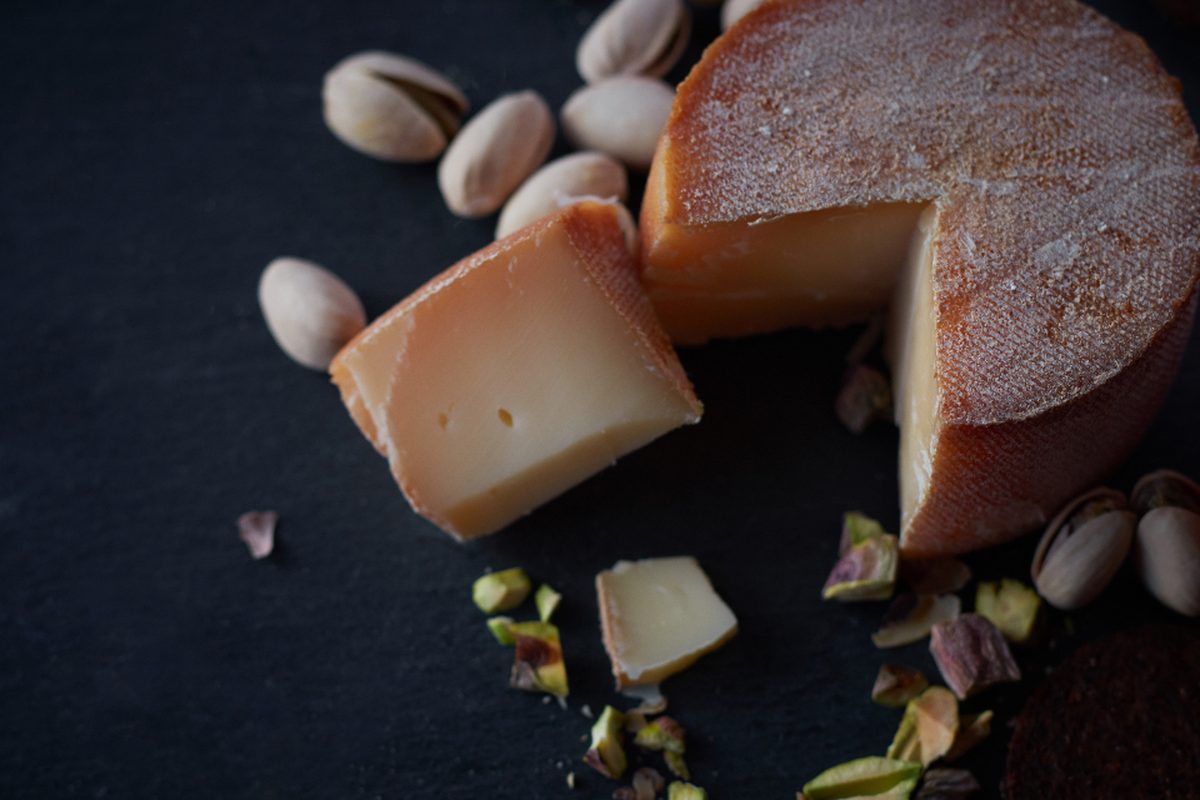
The wine that was fine last month
Last month you had a glass of red with dinner and slept fine. Tonight, same wine, same pour — and within the hour you're flushed, your head is pounding, your nose won't stop running, and your stomach feels two sizes too big. Nothing about the wine changed. You start hunting for what's wrong with the bottle.
You're looking in the wrong place. The problem isn't a food you need to find and cross off. With histamine, the same glass really can be fine one week and floor you the next, because the line you crossed isn't a property of the wine. It's a property of you, on that particular day. Your gut wasn't grading the bottle. It was running a tally you couldn't see.
Why a 'safe list' was never going to work
Here's the part that changes how you eat. Histamine intolerance isn't an allergy, and that distinction matters more than it sounds. A peanut allergy is binary and tied to the protein: a trace sets off your immune system, every single time, forever. Histamine doesn't work like that. It's a dose problem. So the useful question was never "can I eat this food." It's "did the total histamine that arrived today outrun the enzyme that clears it."
This goes well past your dinner. Histamine is one of your immune system's alarm chemicals, and roughly 70% of your immune cells live in and around your gut, which is also where most of the clearing happens. When the clearing falls behind, the alarm leaks out: flushing, headache, a racing heart, hives, congestion, the bloat. Those symptoms scatter enough that most people never trace them to one cause. Get the mechanism, though, and the maddening fine-then-not-fine pattern finally makes sense. By the end you'll know how to find your own line instead of chasing a list that was never going to hold still.
The bucket, the drain, and why the drain keeps changing
Picture your tolerance as a bucket. Every high-histamine food pours in, on top of the histamine your own body already makes. One enzyme, diamine oxidase (DAO for short, produced mostly in your gut lining), drains it at a steady rate. As long as the drain keeps up, you feel nothing at all. Symptoms start only when the inflow beats the drain and the bucket spills over. That's why one glass of wine can be fine, but wine plus aged cheese plus three-day-old leftovers tips you: your gut never judged any single one of them, it added them up.
Where does the inflow come from? Protein-rich food is full of an amino acid called histidine, and ordinary bacteria, the kind in the food and on every surface, carry an enzyme that turns histidine into histamine. Aging, fermenting, and just sitting in the fridge all give those bacteria time to work, which is why a fresh fillet runs low and the same fillet days later runs high (we unpack that timing in a separate piece on why leftovers turn on you). Fermentation does it on purpose: it's how cabbage becomes sauerkraut and milk becomes aged cheddar.
Now the part that explains your wine. The drain isn't fixed either. Your DAO capacity shifts with your gut health, your hormones across the menstrual cycle, certain medications, and how much you've already eaten. Alcohol works both ends at once: it pours histamine in and slows the DAO draining it, a double hit in one glass. So last month the bucket had room and the drain ran clear. Tonight you were already half full, the drain was half-blocked, and the same pour spilled it. Same wine. Different bucket.
What the science is sure of, and what it isn't
The honest version is more useful than a confident one. The basic picture, too much dietary histamine for your DAO to clear, is well described, and histamine intolerance is estimated to affect roughly 1% of people (Maintz & Novak's 2007 review in the American Journal of Clinical Nutrition). But the leading explanation, that low DAO activity is the cause, isn't fully proven, and there's no reliable blood test that nails the diagnosis. Cleveland Clinic calls histamine intolerance a "pseudoallergy" for exactly this reason: it mimics an allergy without the settled, testable mechanism behind it.
The food lists are softer still. The most-used reference, the SIGHI compatibility list from the Swiss histamine-intolerance group, is a careful expert consensus, not a lab-measured table, because histamine content swings with batch, ripeness, and how long something sat. So the categories below are reliable as a starting map. Your personal threshold is something you find by watching, not by looking up. That uncertainty isn't a flaw in the advice; it's the reason the advice is a test you run on yourself rather than a list you obey.
| Category | Examples | Why it runs high |
|---|---|---|
| Aged cheese | Parmesan, cheddar, gouda, blue | Weeks of aging = bacteria making histamine |
| Cured / fermented meat | Salami, prosciutto, bacon | Curing and fermentation over time |
| Fermented foods | Sauerkraut, kimchi, soy sauce, miso, kombucha | Live cultures generate histamine by design |
| Alcohol | Wine (especially red), beer, champagne | Histamine-rich, and slows your DAO |
| Aged / smoked fish | Tuna, mackerel, sardines, smoked salmon | Histamine forms fast once off ice |
| High-histamine produce | Tomato, spinach, eggplant, avocado | Naturally higher, or rise as they ripen |
| Histamine liberators | Citrus, strawberry, chocolate | Prompt your own cells to release histamine |
How to find your own line this week
Because there's no fixed list, the answer isn't to memorize one. It's to run a short, structured test. The standard approach has two stages. First, a low-histamine diet for two to four weeks: you pull the high-histamine categories above, let the bucket sit mostly empty, and see whether your symptoms quiet down. If they don't budge at all, histamine probably isn't your story, and that's genuinely worth learning before you restrict for months. If they do quiet, you've confirmed the mechanism is live in you.
Then the part most people skip, which is where the real information lives: reintroduction. Add foods back one category at a time, in normal portions, with a few days between each, and watch. You're not looking for a verdict on each food. You're learning how much you can stack before the bucket spills, and how that line shifts with sleep, stress, alcohol, and your cycle. That's the catch. The thing that tipped you lives in the running total across a day, not in any one item you'd remember, and memory quietly drops the cheese from lunch. A log that tallies the load surfaces what memory can't. This is the gap Bellyweather is built to close: it adds up your load across the day from a photo, so the total you can't hold in your head becomes a number you can point at and bring to your doctor. A lead to test, not a verdict.
- Run a 2–4 week low-histamine trial first; if nothing changes, histamine likely isn't your driver.
- Reintroduce one category at a time, a few days apart, to learn your stack tolerance, not to brand foods good or bad.
- Treat alcohol as a double hit: it adds histamine and slows the DAO clearing it.
- Think in totals per day against your threshold, and note what else was going on (sleep, stress, your cycle).
- Don't restrict long-term alone. A low-histamine diet is easy to overdo and worth doing with a clinician.
When this stops being a kitchen puzzle
One hard line first. Some of these symptoms, such as hives, swelling, and trouble breathing, also describe a true allergy or a mast cell disorder, which are not food experiments to tinker with. Throat tightness, swelling of the lips or face, or any difficulty breathing is an emergency. Treat it as one.
Short of that, see a clinician if symptoms are severe, escalating, or not explained by food, to rule out allergy and conditions like mast cell activation syndrome, and before you commit to a long low-histamine diet, which is restrictive and easy to overdo. Histamine intolerance is still a diagnosis of exclusion, worth confirming with help rather than self-sentencing. This is general information, not medical advice. What the elimination-and-reintroduction test gives you is a specific question to bring to that appointment: not "which foods are bad," but "here's the load that tips me, and here's what shifts it."
Same wine, different bucket
Go back to that glass of red. Nothing was wrong with the bottle, and nothing was wrong with you. Your bucket was just fuller and your drain slower than the night it went down easy. Your gut was never holding a list of forbidden foods. It was clearing a chemical at a rate that changes by the day, and tonight the inflow won. The fix was never a longer list of foods to fear. It's learning the one number that list could never tell you: how much your own bucket holds today.
Frequently asked questions
Is histamine intolerance a food allergy?
No. An allergy is an IgE immune reaction to a specific protein, and a trace triggers it every time. Histamine intolerance is a dose problem: more dietary histamine than your DAO enzyme can clear at once. Cleveland Clinic calls it a "pseudoallergy." Any breathing or swelling symptoms still need emergency evaluation.
Why is the same food fine some days and not others?
Because tolerance works like a bucket. Your reaction depends on total histamine load against your DAO capacity, and that capacity shifts with alcohol, stress, hormones, medications, and what else you've eaten. The same meal overflows the bucket on a full, low-DAO day and sits fine on an empty one.
Is there a definitive list of foods to avoid?
Not really. The widely used SIGHI list is an expert consensus, not a measured lab table, because histamine content swings with ripeness, batch, and storage. Treat any list as a starting map of categories that commonly run high, then find your personal threshold by elimination and careful reintroduction.
How do I test whether histamine is my problem?
The standard approach is a 2–4 week low-histamine diet to see if symptoms quiet, followed by reintroducing foods one category at a time to learn how much you tolerate. There's no reliable blood test, so it's a diagnosis of exclusion best done with a clinician to rule out allergy and other conditions.
Sources
Bellyweather is a wellness and food-tracking app, not a medical device. This article is for general information only and is not medical advice. Never use an article, rating, or AI response to decide whether a food is allergy-safe. Individual tolerances vary — talk to a qualified healthcare professional before making dietary changes related to a health condition.