Learn
Why GLP-1 medicines can cause reflux and nausea — and eating strategies that may help
GLP-1 medicines can slow stomach emptying, which may contribute to nausea, fullness, or reflux. Clinical guidance commonly emphasizes meal size, fat, and timing, alongside advice from the prescribing clinician.
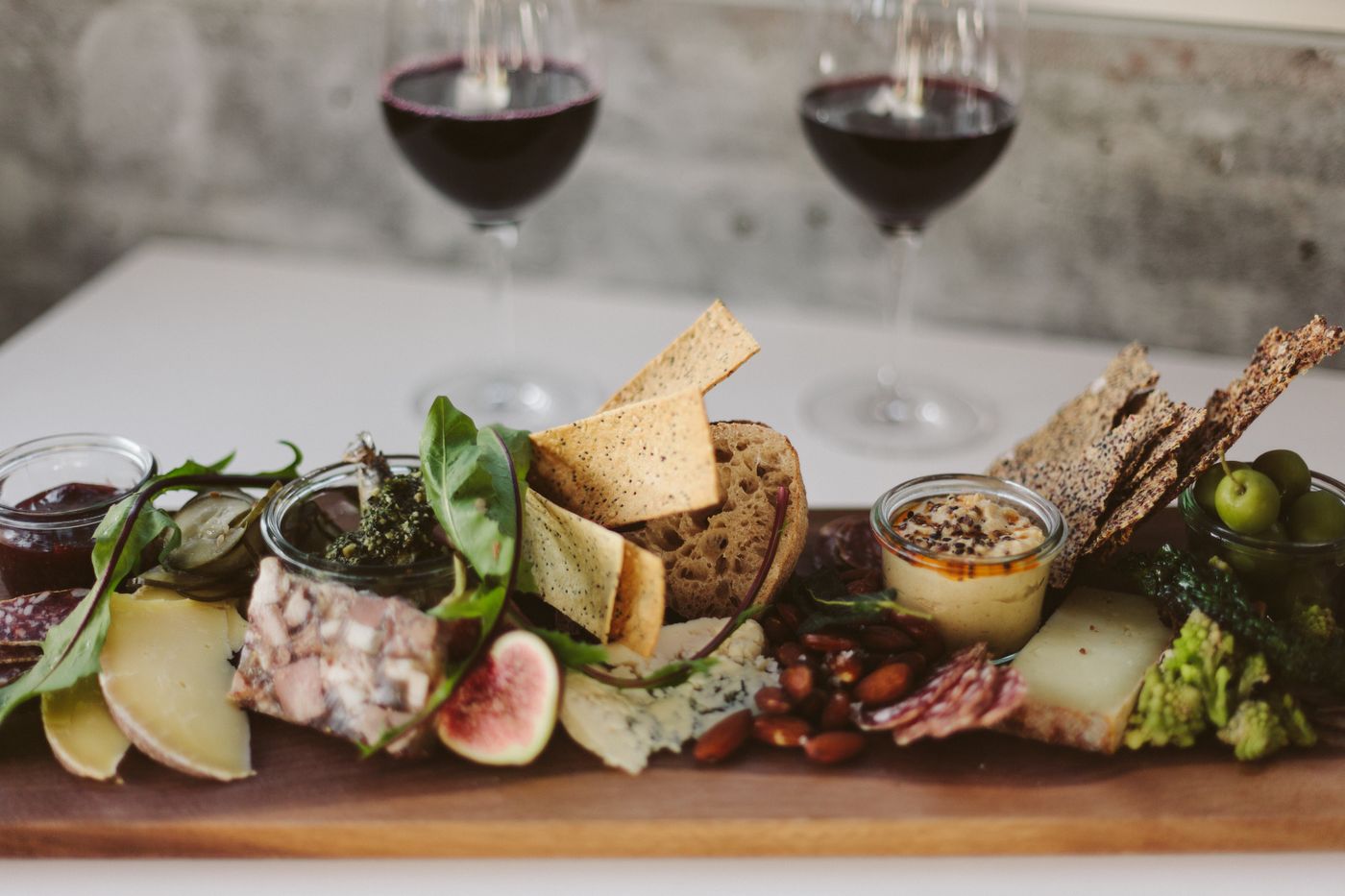
The shot worked, so why does dinner feel stuck
You started the medication and the appetite noise went quiet, which was the whole point. Then a normal dinner started sitting like a brick. A few bites in you're full, an hour later you're queasy, and lying down brings a sour burn up your throat you never used to get. Nobody warned you the relief would come with a stomach that feels like it forgot how to do its job.
Delayed stomach emptying is an intended effect of these medicines and can contribute to these symptoms, but symptoms alone cannot establish the cause or show how quickly your stomach is emptying. Meal size, fat, and timing are common factors to discuss with the clinician managing the medication.
The drug turned your stomach's drain down low
Semaglutide and tirzepatide are the molecules in Ozempic, Wegovy, Mounjaro, and Zepbound. They copy a gut hormone called GLP-1 that your body releases after you eat. One of that hormone's main jobs is to slow how fast your stomach hands food off to your intestine. The drug does the same thing, all day, on purpose. That slowdown is part of why you feel full on less and why your blood sugar rises more gently after a meal.
Think of your stomach as a sink with the drain turned partway closed. Food can leave more slowly, so the basin stays fuller for longer. A large meal may increase fullness or nausea, and lying down with a full stomach may make reflux more likely. This analogy explains a possible mechanism; it cannot determine the cause of one person's symptoms.
A large, fatty, late meal can combine several factors associated with symptoms: fat generally empties more slowly, a larger meal increases stomach volume, and lying flat can make reflux easier. Individual responses vary, so treat this as a common pattern to discuss or test carefully, not a rule about a single meal.
What the research actually pins down, and what it doesn't
That GLP-1 drugs slow gastric emptying is well established. It's a measured, intended effect, not a guess. A 2024 review in the Journal of Clinical Endocrinology & Metabolism by Jalleh and colleagues lays out the wrinkle most people aren't told. For the long-acting drugs (semaglutide, tirzepatide), the slowdown is strongest at the start and fades over the following weeks as your stomach adjusts. That's the dull good news behind why the nausea so often eases after the first month or two, and why it tends to spike again right after a dose increase.
The honest caveat is that symptoms and stomach speed don't track perfectly. The same review notes you can't read gastric emptying from symptoms alone. A 2022 clinical-practice paper in Postgraduate Medicine by Wharton and colleagues describes dietary and behavioral strategies clinicians may consider alongside individualized dose management. None of this is dosing advice. How fast to titrate, whether to pause, and whether a symptom needs urgent evaluation are decisions for your prescriber.
Eating strategies that may help
Because delayed emptying and stomach volume can contribute, clinical guidance commonly discusses smaller meals, lower-fat choices, and more time before lying down. The table below summarizes general strategies to review with your prescriber rather than a personalized treatment plan.
| What tends to aggravate it | Why it lands hard | A gentler swap |
|---|---|---|
| A large plate in one sitting | Overfills an already-slow stomach; no room for the next bite | Half the portion now, the rest in 2–3 hours |
| Fried or heavy, fatty meals | Fat is the slowest thing the stomach empties, so it lingers longest | Leaner protein, lighter cooking; save rich foods for small amounts |
| A big dinner right before bed | Lying down on a full stomach makes reflux easy | Finish eating 3+ hours before lying down |
| Eating fast past 'full' | Blows past the early-full signal that now comes after a few bites | Slow down; stop at the first sign of full |
| Carbonated or sugary drinks with food | Adds gas and volume to a stomach with no spare room | Water between meals, sipped not gulped |
Start here this week
A reasonable first step is to ask your prescriber whether smaller meals, lower-fat choices, and more time between eating and lying down fit your care plan. Eat slowly and pay attention to early fullness. Hydration advice can vary with your health and medication, so ask your clinician rather than following a rigid rule from an article.
Which foods actually bother you on a GLP-1, though, is personal. One person refluxes on coffee and creamy sauces. Another sails through both and can't touch a heavy dinner. The drug sets the stage, but your own short list is yours, and it's easy to lose track of across a queasy week. This is where keeping a simple record earns its place: log what you ate and how you felt a couple of hours later, and the repeat offenders surface as a pattern instead of a vague dread of eating. Bellyweather is built to do that tallying from a photo. It gives you a lead to test and to bring to the prescriber managing your dose, not a verdict on your meal. It's a wellness tool, not a medical device, and it's free for 7 days, then a subscription.
- Halve the portion; eat the rest as a small meal 2–3 hours later.
- Move your biggest meal earlier; finish eating 3+ hours before lying down.
- Slow down and stop at the first sign of full; the signal now comes early.
- Go lighter on fried and fatty foods while symptoms are active.
- Sip water between meals instead of drinking a lot with food.
Your stomach didn't break, it slowed
Go back to the brick-in-the-stomach dinner. A slower-emptying stomach is one possible contributor, not a diagnosis from the plate. Adjusting meal size, fat, or timing may reduce symptoms for some people, but persistent, severe, or worsening symptoms belong with the prescribing clinician.
Frequently asked questions
Why can GLP-1 medicines be associated with reflux and heartburn?
GLP-1 medicines can slow stomach emptying. A fuller stomach, especially near bedtime, may make reflux more likely for some people. Symptoms have other possible causes, so ask your prescriber about persistent or severe heartburn rather than assuming the medicine is the only explanation.
Does the nausea from GLP-1 drugs go away?
Often it eases. A 2024 review found the slowed-stomach effect of long-acting drugs like semaglutide is strongest at the start and fades over the following weeks as the body adjusts, which is why nausea commonly settles after the first month or two and may flare again after a dose increase. It varies by person; tell your prescriber if it's severe or persistent.
What foods should I avoid on a GLP-1?
There is no universal banned-food list. Clinical guidance often suggests reviewing large meals, high-fat foods, and eating close to bedtime because they may aggravate symptoms. Ask your prescriber or a dietitian what is appropriate for you before restricting foods.
Should I change my dose if the side effects are bad?
That's a conversation for your prescriber, not something to do on your own. GI side effects are the most common reason people adjust or stop these drugs, and clinicians often ease the dose up more slowly to improve tolerance. This article is general information, not medical advice or a dosing plan.
Sources
- Jalleh RJ et al. — Clinical Consequences of Delayed Gastric Emptying With GLP-1 Receptor Agonists and Tirzepatide, J Clin Endocrinol Metab (2024): emptying delay is intended, strongest early, attenuates over weeks for long-acting agents; symptoms don't track emptying
- Wharton S et al. — Managing the gastrointestinal side effects of GLP-1 receptor agonists in obesity: recommendations for clinical practice, Postgrad Med (2022): GI effects most common; slow titration + dietary changes
- Cleveland Clinic — GLP-1 Agonists: how they slow stomach emptying; nausea most common and worse at start or dose increase
- Mayo Clinic Proceedings (2025) — GLP-1 and GIP Receptor Agonists: Effects on the Gastrointestinal Tract and Management Strategies for Primary Care: GI symptoms common; dietary-first management (smaller meals, hydration, lower fat/sugar)
Bellyweather is a wellness and food-tracking app, not a medical device. This article is for general information only and is not medical advice. Never use an article, rating, or AI response to decide whether a food is allergy-safe. Individual tolerances vary — talk to a qualified healthcare professional before making dietary changes related to a health condition.