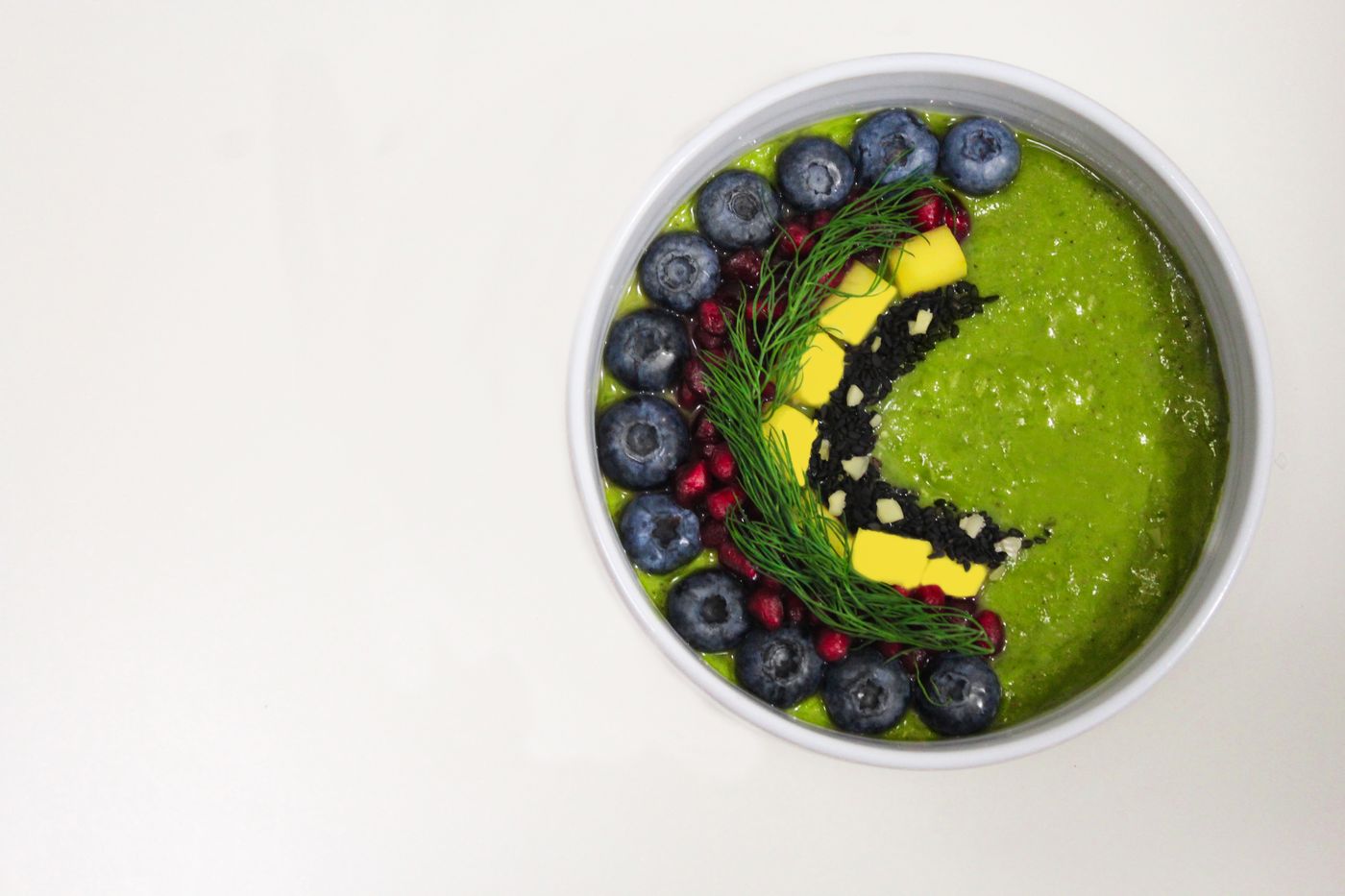
What a FODMAP is
FODMAPs are a family of poorly absorbed carbohydrates, the fermentable sugars in the Monash University low-FODMAP framework. They include fructans (garlic, onion, wheat), lactose (dairy), polyols (sugar alcohols and some stone fruits), and excess fructose.
Excess fructose means free fructose beyond the glucose available to ferry it across the gut wall. When fructose outnumbers glucose in a food, the surplus goes unabsorbed. It ferments and pulls water into the gut. Apples, mango, honey, and agave are all high in excess fructose.
Per-serving thresholds
Monash does not label foods safe or unsafe. It labels portions. Half a banana can be low-FODMAP while a whole one crosses the line. A food has a threshold, and the threshold is a quantity.
This is the oldest rule in toxicology applied to produce. The dose makes the poison. A small serving of mango stays within your gut's absorption capacity. A large serving does not, and the surplus fructose ferments. Same fruit, opposite outcome, and the only thing that changed was how much you ate.
How the stack adds up
FODMAPs add up across a meal. Your gut's capacity to absorb fructose does not reset between spoonfuls. It is a running total for the whole sitting. Blend apple, mango, honey, and agave into one glass and you are not serving four small fructose loads. You are serving one large load, and your absorption system meets it all at once.
Audited alone, each ingredient is innocent. A little honey is fine. A few cubes of mango are fine. A small apple is fine. Stacked into a single smoothie, the combined fructose load sails past the threshold and the surplus ferments. The same trap hides in a trail mix of dried apple and dried apricot, a salad with onion and beans and honey-mustard dressing, or an açaí bowl with banana and mango and agave and granola.
What to actually do
You do not have to avoid fruit. You have to respect the running total. Keep portions modest. Do not pile several high-fructose foods into one sitting. Pair a high-fructose fruit with a low-FODMAP one such as strawberries, blueberries, or a bit of kiwi instead of stacking mango on apple on honey.
Glucose helps fructose get absorbed, which is the quiet reason whole fruit is gentler than the concentrated sweeteners. Honey, agave, and high-fructose syrup run free fructose ahead of its glucose. Space things out, too. Absorption capacity recovers over hours, so the same total spread across a day is far easier than the whole load dumped into one glass at 8 a.m.