Learn
Is it actually gluten? The fructan mix-up
When researchers fed gluten-free eaters secret gluten, nothing happened. When they fed them fructans, they bloated. Why most 'gluten sensitivity' is your gut fermenting a carb — and how a slice of sourdough can tell you which one is yours.
You cut gluten. You felt better. You may have solved the wrong crime.
You dropped bread and pasta, the bloating eased, and the conclusion wrote itself: gluten is the problem. It's a clean story, and the relief is real. But a slice of wheat carries two completely different troublemakers, and going gluten-free quietly removes both at once. So feeling better tells you the experiment worked. It doesn't tell you which suspect was guilty.
Here's the part that should give you pause. When researchers fed self-described gluten-sensitive people secret gluten, their guts mostly shrugged. When they fed the same people fructans, they bloated. Your gut may never have been fighting the protein everyone told you to blame.
Why this is worth getting right
This matters because the two suspects lead to two completely different lives. If it's truly gluten, the question on the table is celiac disease, an autoimmune condition that damages your small intestine and needs a real diagnosis. If it's fructans, you're dealing with a carbohydrate your gut bacteria ferment in the colon, and your actual tolerance is probably far wider than "never touch wheat again."
The controlling idea is this: most non-celiac "gluten sensitivity" is your gut fermenting a carb, not your immune system fighting a protein. Get that straight and the diet stops being a life sentence and starts being a dial you can turn. By the end of this you'll know how to tell which one is yours, and the test is cheaper and less restrictive than going gluten-free for good.
One slice, two saboteurs
Think of a slice of wheat bread as a package holding two unrelated things that happen to ship together. The first is gluten, a protein. The second is fructans, a chain of fructose molecules that counts as a FODMAP, the family of fermentable carbs. They cause trouble by completely different routes, and that difference is the whole story.
Gluten, if it harms you, works through your immune system. In celiac disease your body reads gluten as a threat and attacks the lining of your own small intestine. That's a specific, testable, serious diagnosis, and it's not what most people who "feel better off gluten" turn out to have.
Fructans work like sugar left in a warm tank. Your small intestine can't absorb them, so they travel intact to your colon, where the bacteria living there ferment them, the way yeast ferments sugar into gas in a brewery. The gas has to go somewhere. That's the bloating, the pressure, the distension that shows up hours after the meal, not minutes. Same brewery runs in everyone; how much gas you notice depends on your particular mix of bugs and how much fructan arrived.
Now the catch that makes the mix-up almost inevitable. Wheat, rye, and barley are the main source of gluten in most diets and a major source of fructans. The instant you cut them to dodge the protein, you also cut a big slice of your fructan load. The gluten-free swaps you reach for, rice and corn and potato and oats, happen to be low in fructans too. So the diet works, the wrong conclusion feels obvious, and the real lever stays hidden in plain sight.
| Gluten | Fructans | |
|---|---|---|
| What it is | A protein | A fermentable carb (a FODMAP) |
| How it harms you | Immune attack on the gut lining (in celiac disease) | Bacteria ferment it in the colon → gas, bloating |
| When you feel it | Variable; immune-mediated | Hours later, once it reaches the colon |
| The right test | Celiac blood test, then biopsy | Low-FODMAP elimination, then reintroduce fructans alone |
| Also found in | Wheat, rye, barley | Wheat, rye, barley, onion, garlic, inulin, more |
| Cut by going gluten-free? | Yes | Mostly yes — by accident |
The trial that fed people secret gluten
In 2018, a group led out of Oslo and Monash University set out to pull the two suspects apart (Skodje et al., Gastroenterology). They recruited 59 people who had put themselves on a gluten-free diet and felt better for it, and who had been checked to rule out celiac disease. Then they handed everyone identical muesli bars. Some bars secretly contained gluten, some contained fructans, some contained neither. Nobody, not the participants and not the researchers in the room, knew which bar was which.
The fructan bars made people bloat. On the study's symptom scale, the fructan weeks scored clearly worse than the gluten weeks for bloating and for overall gut symptoms. The gluten bars, the supposed villain, scored no worse than the placebo. For this group, the protein they'd been avoiding behaved like a sugar pill.
Hold the result at its real weight. This was 59 people over a few weeks, not the last word, and it doesn't mean gluten is harmless for everyone, celiac disease is exactly the case where it isn't. An earlier trial from the same orbit (Biesiekierski et al., 2013) had already pointed the same direction: once they lowered FODMAPs across the board, adding gluten back did little. Two studies, same arrow. For a real share of people who believe they're gluten-sensitive, the trigger is the fermentable carb that rides along in the same foods.
GSRS-IBS score
Get the celiac test before you cut a single slice
Before you run any experiment on yourself, one rule overrides everything: if there's any chance you have celiac disease, get tested while you're still eating gluten. The celiac blood test and the biopsy that confirms it both look for the damage and the antibodies that only show up when gluten is in your diet. Cut it first and your gut starts healing, the antibodies fade, and the test can come back falsely negative, leaving a serious autoimmune condition hidden. Restarting means a gluten challenge of roughly 3 to 6 grams a day for weeks, which is exactly the misery you were trying to escape.
Celiac disease affects about 1 in 100 people worldwide and is genuinely dangerous left undiagnosed. Non-celiac fructan trouble is uncomfortable, not autoimmune. You want to know which camp you're in, and the only way to rule out the dangerous one is to test before you eliminate.
The sourdough test, and what your gut is really telling you
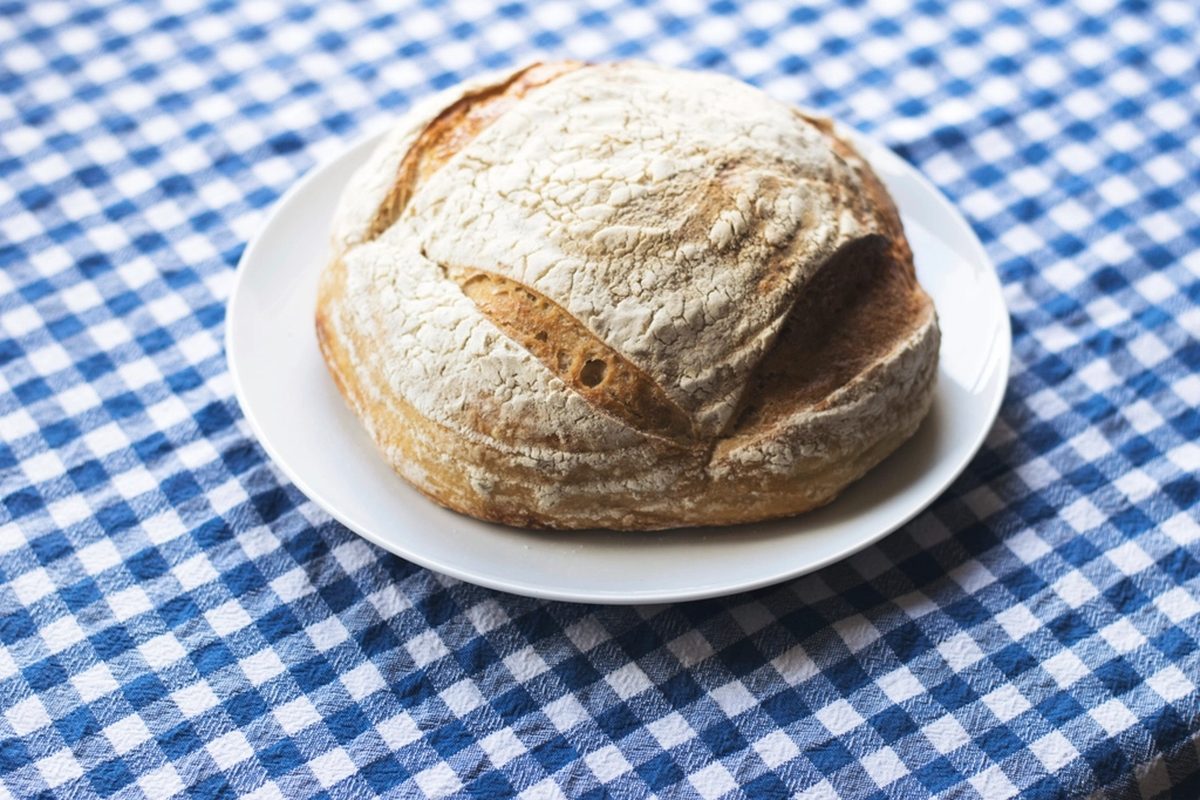
Once celiac is off the table, you can run the distinction at your own kitchen counter, and this is where it gets satisfying. The trick is to separate the two suspects that normally travel together, and a real sourdough does exactly that. During a long fermentation, the wild yeast and bacteria in the starter spend hours eating the fructans, the same way they'd eat any sugar. Slow-fermented wheat sourdough comes out with most of its fructans broken down while the gluten is untouched. Lab work backs this up: properly fermented sourdoughs have been measured with fructan reductions averaging around 72%, and Monash University lists genuine slow-fermented loaves as low-FODMAP.
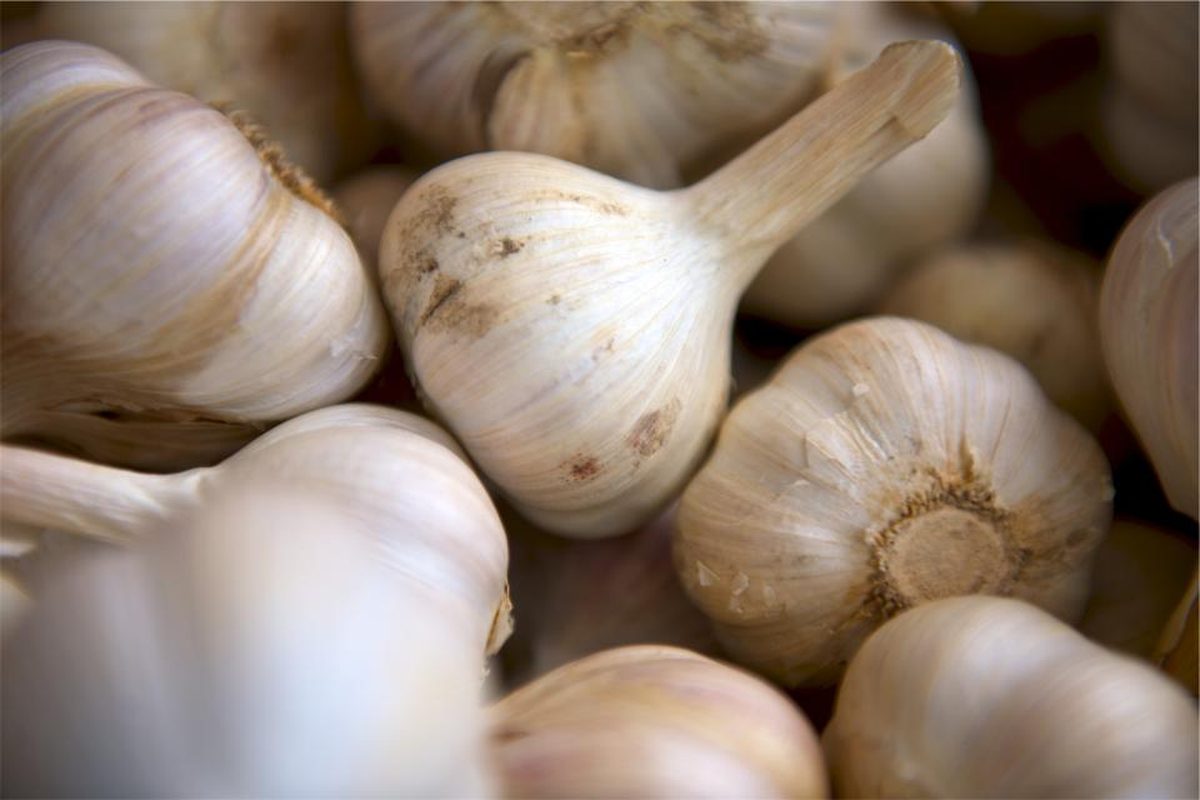
So here's the home experiment. Eat a slice or two of a genuinely slow-fermented sourdough, the dense kind from a real bakery, not a soft supermarket loaf labeled "sourdough" for the flavor. If that sits fine but regular bread bloats you, you just watched gluten pass and fructans get removed. That points away from the protein and toward the carb. The second tell costs nothing: notice whether non-wheat fructans bother you too. If onion, garlic, and inulin-spiked protein bars set off the same bloating, fructans are the through-line and wheat was just one delivery truck.
This is also where your gut's importance comes into focus. The fructans your small intestine can't absorb are food for the bacteria in your colon, and feeding those bacteria fiber is part of how a gut stays healthy, fermentation is a feature, not a bug. The catch is that your dose and your particular microbes decide where comfortable ends and bloated begins. That line is yours, not a number on a chart, which is exactly why a single sweeping rule like "no gluten ever" so often misses it.
- Test for celiac first, while you're still eating gluten — eliminating before testing can hide a real diagnosis.
- Try a genuinely slow-fermented sourdough: it keeps the gluten but loses most of the fructans. Fine on sourdough, not on regular bread, points to fructans.
- Watch whether non-wheat fructans — onion, garlic, inulin — bloat you the same way. If they do, the carb is your through-line, not the wheat.
- For the clean answer, drop FODMAPs to a baseline for a couple of weeks, then reintroduce fructans on their own and log what happens.
The rule of thumb
You went gluten-free and felt better, and you weren't wrong to feel better, you were wrong about why. For most people who never had celiac disease, the loaf was never attacking them. Their gut was fermenting a carb that quietly leaves the building when the bread sits on a counter overnight. Find out whether sourdough and garlic agree with you, and you may trade a lifelong ban for a dial you can actually turn. The gut wasn't holding a grudge against gluten. It was just doing what a gut does with sugar it can't absorb.
Frequently asked questions
Could my gluten sensitivity actually be fructans?
For many people, yes. In a 2018 double-blind trial (Skodje et al., Gastroenterology), fructans triggered more bloating than gluten in self-reported gluten-sensitive people, and gluten scored no worse than placebo. Because wheat is high in both, going gluten-free cuts fructans too — so relief doesn't prove gluten was the cause.
Should I get tested for celiac before going gluten-free?
Yes, and it's the one step you can't undo. Celiac blood tests and biopsy only work while you're still eating gluten. Cut it first and the antibodies fade, so results can come back falsely negative and a serious autoimmune condition can be missed. Test before you eliminate.
Why can I eat sourdough but not regular bread?
A long sourdough fermentation lets the starter's yeast and bacteria break down most of wheat's fructans while leaving the gluten intact — measured reductions average around 72%. If a genuinely slow-fermented sourdough sits fine but regular bread bloats you, that points toward fructans, not gluten, as your trigger.
Are fructans only in wheat?
No. Fructans are also concentrated in onion, garlic, rye, barley, and additives like inulin and chicory root. If those bother you alongside wheat, fructans are a strong suspect and wheat is just one source. If only wheat does, the picture is murkier and worth discussing with a clinician.
Sources
- Skodje et al., Fructan, rather than gluten, induces symptoms in NCGS, Gastroenterology (2018)
- Biesiekierski et al., No effects of gluten after dietary FODMAP reduction, Gastroenterology (2013)
- Monash University — Sourdough processing & FODMAPs
- NIDDK (NIH) — Celiac Disease: Diagnosis & Testing
- Celiac Disease Foundation — Screening & the gluten challenge
Bellyweather is a wellness and food-tracking app, not a medical device. This article is for general information only and is not medical advice. Never use an article, rating, or AI response to decide whether a food is allergy-safe. Individual tolerances vary — talk to a qualified healthcare professional before making dietary changes related to a health condition.