Learn
Garlic and onion substitutes that still taste like dinner
Garlic and onion do several jobs in a recipe, which is why one bland substitute never works. Match infused oil, chives, scallion greens, asafoetida, or vegetables to the job you need replaced.
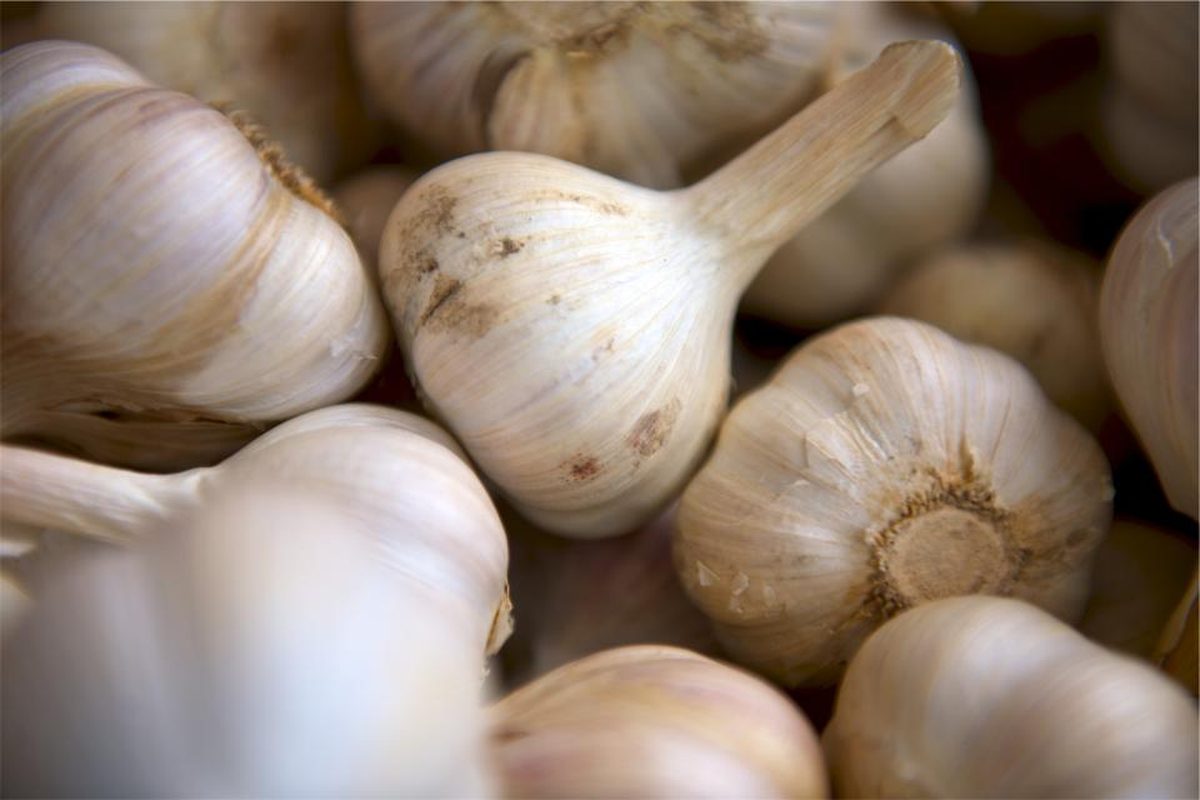
The recipe says one onion. The onion was doing four jobs.
You leave the onion out of a stew and replace the garlic with a cautious pinch of dried herbs. The dish is technically dinner. It also tastes hollow. That failure gets blamed on low-FODMAP cooking when the real problem is the substitution: one ingredient had been supplying aroma, sweetness, savory depth, and a cup of physical bulk.
A useful swap starts by asking what would be missing from this specific pan. Oil can carry aroma. Chives can add a fresh allium edge. Fennel or celery can fill the empty space. Once each replacement has a job, the meal stops tasting like an apology.
The solubility trick that keeps the aroma
Garlic and onion contain fructans, fermentable chains of fructose that some people with IBS do not tolerate well. Fructans dissolve in water, which is why dropping an onion into stock and removing it later does not undo the load. Some fructans have already moved into the broth.
Oil behaves differently. Fructans are not fat-soluble, while many of the aroma compounds people recognize as garlic or onion are. Infusing oil can therefore move flavor into the fat without moving the same fructan load. It is a kitchen separation technique: the aroma goes one direction, the fermentable carbohydrate stays with the solid pieces.
That only replaces flavor carried by fat. It does not replace the sweet bulk of a cooked onion or the sharp finish of raw scallion. Those jobs need their own stand-ins.
Build the flavor in layers instead of hunting for one perfect fake
For a pasta sauce, garlic-infused oil may be enough because the missing job is aroma. A curry usually needs more: asafoetida bloomed briefly in hot oil for a sulfurous savory note, ginger and spices for depth, and a tolerated vegetable for body. A salad dressing wants chives or the green tops of scallions, added late so the fresh flavor survives.
The exact amount is personal. These are culinary starting points, not a promise that a finished recipe will be symptom-free. A sauce may still stack wheat, lactose, or another fermentable ingredient, and the low-FODMAP diet itself is meant to move from short elimination to structured reintroduction and personalization rather than permanent avoidance.
| Garlic or onion was adding | Try | Best in | What it does not replace |
|---|---|---|---|
| Cooked garlic aroma | Commercial garlic-infused oil | Pasta, roasted vegetables, dressings | Onion bulk or fresh bite |
| Fresh allium flavor | Chives or scallion greens | Eggs, salads, potatoes, finishing | Long-cooked sweetness |
| Deep savory base | A small pinch of asafoetida bloomed in oil | Curries, lentils, braises | The volume of a chopped onion |
| Sweet vegetable bulk | Fennel, celery, carrot, or another tolerated vegetable | Soups, stews, sauces | Garlic aroma |
| A full onion-and-garlic base | Infused oil + bulk vegetable + fresh herbs | Sauces, stir-fries, braises | A universal tolerance guarantee |
One safety rule belongs beside the clever oil trick
Fresh garlic held in oil at room temperature can support the bacteria that produce botulinum toxin. The CDC advises refrigerating homemade oils made with fresh garlic or herbs and throwing them away after four days. A commercially prepared infused oil is the simpler pantry option because manufacturers can control acidification and processing.
Do not let a digestive workaround create a food-safety risk. If you make a quick infusion for dinner, use it immediately or refrigerate it promptly, date it, and follow the four-day limit. Smell is not a botulism test.
Fix one familiar meal this week
Choose a meal you already know how to cook. Identify whether garlic or onion provides aroma, bulk, freshness, or several of them. Change only those parts and keep the rest of the recipe steady. That gives you a meal you can compare instead of a completely new dish with a new set of variables.
If you are testing digestive tolerance, log the portion and the whole meal rather than declaring the substitute safe after one good night. Bellyweather can keep the meal beside later symptom check-ins, but repeated association is still a lead to inspect, not proof of cause.
- Use commercial infused oil when cooked garlic aroma is the main loss.
- Add chives or scallion greens near the end when you want a fresh allium note.
- Replace onion's physical volume with a tolerated vegetable instead of extra oil.
- Change one familiar recipe first so you can judge flavor and tolerance cleanly.
Dinner needed a team, not a substitute
The empty-tasting stew was never proof that food without garlic or onion has to be bland. It was proof that one ingredient had quietly been doing several jobs. Give each job a replacement and the pan fills back out: aroma in the oil, body in the vegetables, freshness at the end.
Frequently asked questions
Is garlic-infused oil low FODMAP?
Properly made garlic-infused oil can carry garlic aroma without the same fructan load because fructans dissolve in water rather than oil. The garlic solids still contain fructans and should be removed when that is the goal. Product ingredients and personal portions still matter.
Can I cook a whole onion in soup and remove it later?
That is not a reliable fructan workaround. Fructans are water-soluble, so some can leach into soup or stock while the onion cooks. Removing the pieces removes the solids, not what has already moved into the liquid.
What replaces onion texture in a recipe?
A tolerated vegetable with similar cooking behavior usually works better than another seasoning. Fennel, celery, carrot, or bell pepper can supply bulk depending on the dish. Add infused oil, herbs, or asafoetida separately if you also need the allium flavor.
Is homemade garlic oil safe to keep in the pantry?
No. Fresh garlic in oil can create conditions for botulism. CDC advises refrigerating homemade garlic or herb oils and discarding them after four days. Commercially processed infused oils are the simpler shelf-stable option; follow the product label after opening.
Sources
Bellyweather is a wellness and food-tracking app, not a medical device. This article is for general information only and is not medical advice. Never use an article, rating, or AI response to decide whether a food is allergy-safe. Individual tolerances vary — talk to a qualified healthcare professional before making dietary changes related to a health condition.